
Appetizers
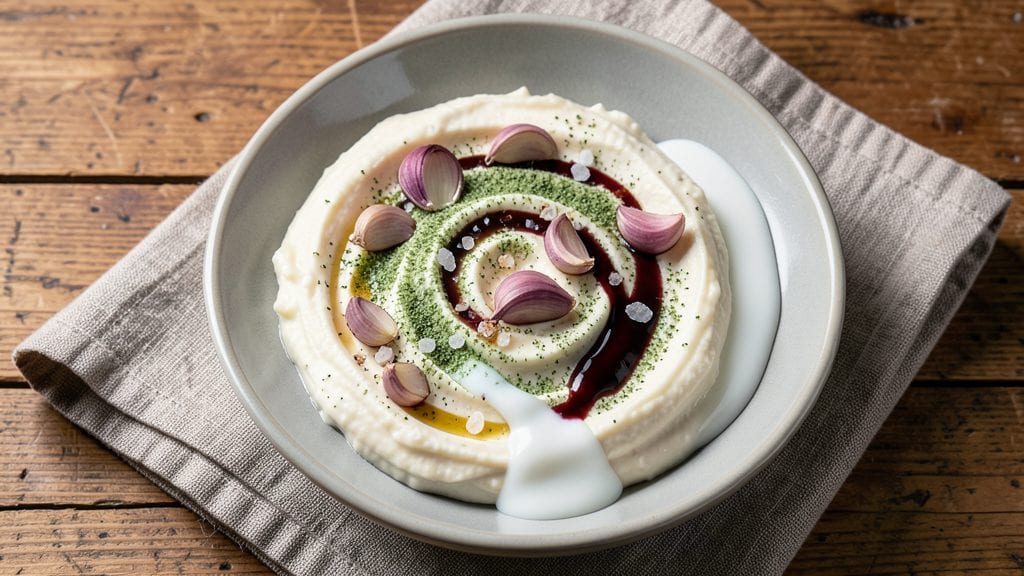
Creating fermented cashew cheese transforms simple cashews into a tangy, creamy dairy-free spread that rivals traditional cheese—without any animal products. This method builds depth through fermentation, developing complex flavors over time while preserving nutrients.
The process is precise but straightforward, yielding a versatile condiment perfect for toast, wraps, or as a dip.
Fermentation is the key to achieving that signature tanginess, similar to aged cheddar but with a nutty twist. You'll start with soaked cashews blended into a smooth base, then introduce a starter culture and ferment for 24-48 hours.
The result is a rich, slightly acidic spread with a texture that's smooth yet spreadable—ideal for those who love bold flavors without dairy.
What makes this recipe stand out is its adaptability. You can customize it with garlic, herbs, or chili for added depth, or keep it simple for a neutral base. The fermentation process also extends shelf life, allowing you to enjoy this nutty cheese for weeks when stored properly.
Perfect for vegans, lactose-intolerant individuals, or anyone craving a unique twist on classic cheese.
With just a few ingredients and minimal equipment, you'll create a condiment that elevates any dish. Whether you're spreading it on toast, mixing it into sauces, or using it as a dip, this fermented cashew cheese delivers restaurant-quality flavor at home. Let’s get started with the step-by-step method.
Ingredients for fermented cashew cheese
Nine ingredients transform into a tangy, creamy vegan cheese with restaurant-quality depth.
| Ingredient | Amount | Notes |
|---|---|---|
| Raw Cashews 🥜 | 1 ½ cups | Unsalted, soaked 8-12 hours |
| Raw Apple Cider Vinegar 🍎 | ½ cup | Unfiltered for probiotics |
| Raw Coconut Milk 🥥 | ½ cup | Full-fat, canned for creaminess |
| Raw Garlic Cloves 🧄 | 3 cloves | Fresh, peeled, minced |
| Sea Salt 🧂 | 1 ½ tsp | Diamond Crystal preferred |
| Nutritional Yeast 🍄 | ½ cup | Fortified, for cheesy flavor |
| Raw Water 💧 | ½ cup | Filtered, room temperature |
| Raw Lemon Juice 🍋 | 1 tbsp | Freshly squeezed, acidic |
| Raw Chili Flakes 🌶️ | ½ tsp | Optional, for heat |
| Raw Black Peppercorns 🌶️ | ¼ tsp | Freshly cracked, coarse |
The cashews are the foundation, so raw, unsalted ones are a must—no roasted or salted shortcuts here. Trader Joe's and bulk bins at natural markets have the best prices, but avoid pre-salted varieties. Soaking them for at least 8 hours softens them perfectly for blending. The apple cider vinegar should be raw and unfiltered—look for brands like Bragg’s at any grocery store. Nutritional yeast is the secret weapon for that cheesy umami; Bob’s Red Mill is my go-to brand, but any fortified version works. Fresh garlic and lemon juice are non-negotiable for brightness—no powdered substitutes here.
No raw cashews? Soaked almonds or walnuts work in a pinch, but texture will differ slightly. Short on coconut milk? Cashew cream or extra water keeps the blend smooth. Want more depth? Add 1 tsp miso paste or smoked paprika for complexity. The chili flakes and black peppercorns are optional but worth the extra minute—freshly cracked peppercorns add a luxurious finish. For a milder version, skip the garlic or use half the amount. If you’re fermenting in warm climates, reduce fermentation time to 20-24 hours to avoid over-sourness.
Fermented cashew cheese keeps best in a sealed jar in the fridge, where it develops deeper flavor over 5-7 days. For longer storage, freeze in ice cube trays—perfect for single-serving portions. The texture thickens slightly after refrigeration, so stir before use. Use within 3 months for peak freshness. Pro tip: Label with the date—fermentation progress isn’t always obvious. This cheese reheats beautifully in a dry pan for a gooey toast topping.
Why You'll Love This Recipe
- No-Soak Hassle: I’ll be real—soaking cashews for hours used to make me skip recipes. This version? Just blend raw cashews with apple cider vinegar and coconut milk, then let it ferment overnight. No extra steps. The vinegar does the work while you sleep.
- Tangy Garlic Kick: That first bite—where the creamy cashew base meets the sharp vinegar and punchy garlic? It’s like a wake-up call for your taste buds. Honestly, the salt pulls it all together into something savory, almost umami-rich, without tasting like a health food store pretender.
- Spread or Sauce: Slather it on toast, drizzle it over roasted veggies, or toss it into pasta—this cheese plays every role. My daughter even sneaks spoonfuls straight from the jar. (Yes, even on a Tuesday night.)
- Lasts a Week: No sad, wilted leftovers here. The fermentation process keeps it fresh for days, and the coconut milk adds that rich, velvety texture that doesn’t separate. Plus, cashews are cheaper than dairy cheese in the long run—this is my budget-friendly secret weapon.
Step-by-step instructions for fermented cashew cheese
Here's how to craft this tangy, nutty spread that rivals dairy—no cheesecloth required.
Soak and Drain the Cashews
Place the 1.5 cups raw cashews in a bowl and cover them completely with filtered water (about 3 cups). Let them soak for 8-12 hours at room temperature. This hydration step transforms their texture from dry to velvety, making them blend into a smooth, cheese-like consistency.
After soaking, drain the cashews thoroughly using a fine-mesh strainer. Press between paper towels to remove excess water—this prevents a watery cheese. I like to do this right before blending to avoid oxidation, which can make the cashews taste bitter.
Blend the Base Ingredients
Transfer the drained cashews to a high-speed blender. Add the 0.5 cup raw apple cider vinegar, 0.5 cup raw coconut milk, 0.5 cup raw water, 1 tbsp raw lemon juice, 3 cloves raw garlic cloves, 1.5 tsp sea salt, 0.5 tsp raw chili flakes, and 0.25 tsp raw black peppercorns. Secure the lid and blend on high for 1-2 minutes, stopping to scrape down the sides as needed.
You're aiming for a completely smooth, paste-like consistency—no graininess should remain. If it's too thick, add 1 tablespoon of water at a time until it reaches a spreadable texture. The vinegar and lemon juice work together to create that signature tangy flavor, while the garlic and chili flakes add depth.
Incorporate Nutritional Yeast for Cheesy Flavor
With the blender still running, slowly add the 0.5 cup nutritional yeast through the feed tube or by folding it in with a spatula. This step is crucial—nutritional yeast provides that unmistakable umami, cheesy flavor without dairy. Blend for another 30-45 seconds until fully incorporated and the mixture is completely smooth.
At this point, your cheese should have a thick, creamy texture similar to softened cream cheese. Taste it now—you'll notice the sharpness of the vinegar and lemon, the warmth of the garlic, and the subtle heat from the chili flakes. If it needs more salt, add it gradually, as taste preferences vary.
Ferment for Enhanced Tanginess
Transfer the blended mixture to a clean, airtight glass jar. Let it sit at room temperature for 24-48 hours, stirring once daily. This fermentation step develops the tangy flavor and probiotic benefits. You'll know it's ready when the mixture smells pleasantly sour, like a cross between yogurt and aged cheese.
After fermentation, taste again—you'll notice the flavors have deepened and matured. The vinegar's acidity will have mellowed into a complex tang, and the garlic will be more integrated. If you prefer a stronger kick, you can ferment for up to 72 hours, but don't exceed this time or the texture may become too soft.
Store and Use Your Fermented Cheese
Once fermented to your liking, transfer the cheese to a clean jar and refrigerate. It will keep for up to 2 weeks in the fridge, with the flavors continuing to develop over time. The texture will firm up slightly in the refrigerator, making it easier to spread or slice.
Use this versatile cheese on toast, blend it into sauces, or spread it on crackers. It's perfect for mac and cheese, grilled cheese sandwiches, or even as a topping for baked potatoes. The combination of nutty cashews, tangy vinegar, and cheesy nutritional yeast creates a flavor profile that's surprisingly rich and satisfying.
Pro Tips For Making Fermented Cashew Cheese
- SOAK CASHEWS 4+ HOURS: I learned this the hard way—skipping the soak or rushing it with hot water leaves you with a gritty, unappetizing texture. Use cold water and let them sit at least 4 hours (overnight is ideal). No blender magic can fix under-soaked cashews later.
- USE FULL-STRENGTH VINEGAR: Apple cider vinegar’s tang is what makes this cheese ferment properly. Don’t dilute it—measure it straight from the bottle. Weak acid means slower fermentation or a bland final product.
- BLEND GARLIC FIRST: Toss whole garlic cloves into the blender with the coconut milk before adding cashews. This ensures even distribution and prevents clumps of raw garlic later. Trust me, you’ll taste the difference.
- STRAIN THROUGH CHEESECLOTH: After blending, pour the mixture through damp cheesecloth into a bowl. This removes excess liquid and gives you a thicker, more spreadable cheese. Skip it, and you’ll end up with something closer to cashew yogurt.
Perfect pairings for fermented cashew cheese
Toast Toppings
Spread your fermented cashew cheese on sourdough or rye toast for an instant upgrade. I love pairing it with avocado slices and everything bagel seasoning for a brunch-worthy combo.
For extra richness, drizzle with olive oil and a sprinkle of flaky sea salt—the tangy cheese cuts through the buttery toast beautifully. 🥖
Vegan Grilled Cheese
Use this cheese as the star of your next vegan grilled cheese. Layer it between challah bread or brioche-style buns with sautéed mushrooms and caramelized onions.
Cook in a butter-free pan with a little coconut oil until golden and melty. The fermentation adds depth that rivals traditional cheese. 🧀
Dip for Veggies
Serve it as a dip with crudités like bell pepper strips, carrot sticks, and cucumber slices. Add a pinch of smoked paprika or chili flakes to the cheese before serving for a smoky kick.
It’s especially good with roasted sweet potato wedges—the natural sweetness balances the tangy cheese perfectly. 🥕
Mac and Cheese Twist
Blend your fermented cheese into a cashew-based mac and cheese sauce for pasta. Cook pasta of choice (I prefer cavatappi or penne), then toss with the cheese mixture and a splash of vegetable broth for creaminess. Top with breadcrumbs and nutritional yeast for a crispy, cheesy finish. 🍝
Wrap and Sandwich Filler
Spread it on tortillas with roasted red peppers, spinach, and avocado for a tangy, creamy wrap. It also works as a filling for vegan paninis—layer it with marinated artichokes and sun-dried tomatoes for a restaurant-worthy bite.
The fermentation gives it a complexity that holds up well in sandwiches. 🌯
Sauce for Pasta
Use it as a base for creamy pasta sauces. Simmer it with garlic, nutritional yeast, and a splash of coconut milk for a rich, tangy alfredo-style sauce.
Toss with linguine or fettuccine, and finish with fresh basil or red pepper flakes. The nutty depth pairs perfectly with mushroom or spinach pasta. 🍝
Nutrition facts
Frequently asked questions
Why do I need to ferment cashew cheese?
Fermentation transforms the flavor from bland to complex, creating a tangy depth similar to aged cheddar. The process also boosts probiotics and extends shelf life. Without fermentation, your cashew base would taste flat and lack the signature umami richness. Think of it as the secret ingredient that makes plant-based cheese taste authentic.
Can I use almonds instead of cashews?
Yes, but expect a slightly different texture and flavor. Almonds create a lighter, less creamy cheese with a more pronounced nutty taste. For best results, use raw almonds soaked for 12 hours and add 1 extra tablespoon of coconut milk to compensate for the drier blend. The fermentation process works the same way.
How do I know when fermentation is complete?
Your cheese is ready when it smells pleasantly sour (like yogurt or mild vinegar) and tastes tangy but not overly acidic. For visual confirmation, the surface may develop a thin white film. Taste at 24 hours—if it's too mild, ferment another 12-24 hours. Over-fermenting beyond 72 hours can make it too soft and sour.
What if my fermented cheese separates?
This usually happens if the cashews weren't soaked long enough or blended thoroughly. Blend again with 1-2 tablespoons of water until smooth, then return to fermentation. For a thicker texture, strain through a cheesecloth-lined sieve after blending. Remember: proper hydration and blending are key to preventing separation.
Can I make this without a high-speed blender?
You can try, but expect a grainier texture. Use a regular blender and process in 30-second bursts, scraping the sides frequently. For even smoother results, transfer to a food processor after initial blending. The fermentation process won't be affected, but the final consistency will be less creamy.