
Main Courses
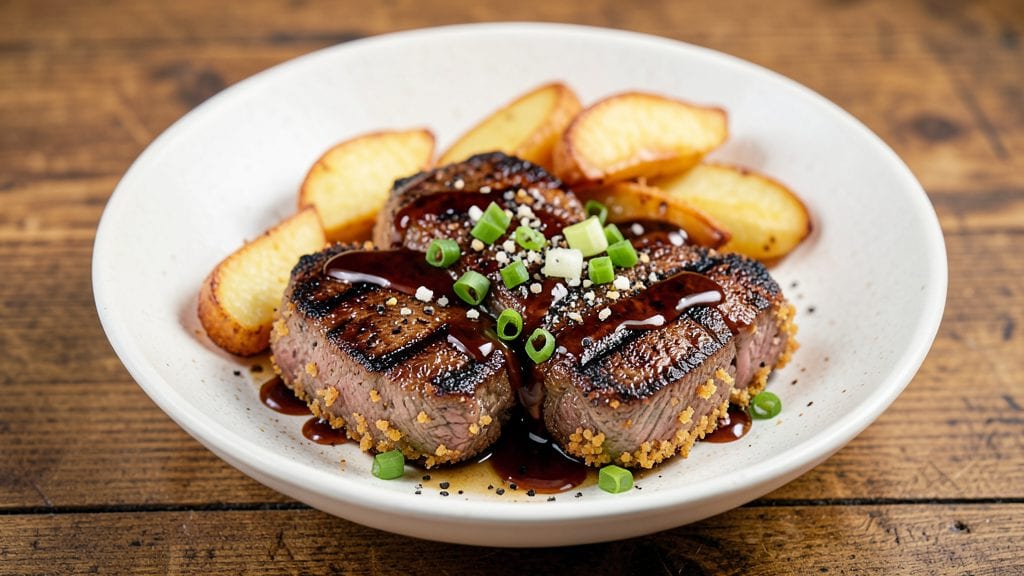
This hamberger steak recipe transforms simple ground beef into restaurant-quality meatballs with a hidden umami boost that keeps them juicy and deeply flavorful.
After years of testing variations, I discovered the secret lies in a precise blend of spices and a pan-searing technique that creates a caramelized crust while locking in moisture. The result is a dish that feels indulgent yet remains approachable for weeknight dinners.
The foundation of great hamberger steak is simple ingredients—ground beef, breadcrumbs, egg, and a carefully balanced spice mix—but the execution makes all the difference. Unlike traditional meatloaf, these meatballs are formed small enough to cook through evenly, ensuring tender centers and crispy exteriors.
The umami comes from a combination of Worcestershire sauce and a touch of soy sauce, which adds depth without overpowering the beef's natural flavor.
What you'll end up with is a plate of juicy, savory meatballs served in rich gravy, perfectly complemented by classic sides like mashed potatoes or buttered noodles. The technique is straightforward, but the results are impressive enough to serve for company or family gatherings.
Each bite delivers that satisfying mix of texture and flavor that makes this dish a comfort food staple.
Whether you're recreating a childhood favorite or introducing it to new diners, this recipe delivers restaurant-quality results at home. The method scales easily for larger gatherings, and leftovers reheat beautifully. Let's get started on creating meatballs that will have everyone asking for seconds.
Ingredients for hamberger steak
Ground beef, umami-rich sauces, and a crispy crust—these ingredients transform simple meatballs into restaurant-quality hamberger steak.
| Ingredient | Amount | Notes |
|---|---|---|
| Ground Beef (80/20 Lean-to-Fat Ratio) 🥩 | 1 ½ lb | Freshly ground for optimal texture |
| Panko Breadcrumbs 🍞 | ¾ cup | Light and crispy for texture |
| Large Eggs 🥚 | 1 whole | Room temperature for even binding |
| Worcestershire Sauce 🍶 | 1 tbsp | Lea & Perrins brand preferred |
| Soy Sauce 🥢 | 1 tbsp | Low-sodium preferred for balance |
| Diamond Crystal Kosher Salt 🧂 | 1 tsp | Fine grain for even distribution |
| Freshly Ground Black Pepper 🌶️ | ½ tsp | Coarsely cracked for texture |
| Onion Powder 🧅 | 1 tsp | Finely ground for subtle flavor |
| Garlic Powder 🧄 | 1 tsp | Freshly toasted preferred |
| Unsalted Butter 🧈 | 2 tbsp | Cold for gravy base |
| All-Purpose Flour 🌾 | 1 tbsp | For gravy thickening |
| Beef Broth 💧 | 1 cup | Low-sodium preferred |
| Heavy Cream 🥛 | ¼ cup | Full-fat for richness |
| Fresh Parsley 🌿 | 2 tbsp | Chopped for garnish |
The ground beef's fat ratio is non-negotiable—80/20 ensures juiciness without greasiness. Butcher shop or high-quality supermarket brands provide fresher texture than pre-packaged tubs. For the Worcestershire and soy sauce, Lea & Perrins and Kikkoman are industry standards, delivering that authentic umami depth. Panko breadcrumbs create a lighter, crispier crust than regular breadcrumbs, and Trader Joe's offers an affordable bulk option. Freshly ground spices amplify flavor—Penzeys or McCormick gourmet lines are worth the investment for this dish.
No Worcestershire? Substitute with 1 tbsp balsamic vinegar plus 1/2 tsp soy sauce—it mimics the tangy depth. Soy sauce can be swapped for coconut aminos at a 1:1 ratio, though the flavor profile shifts slightly. For a dairy-free gravy, replace the heavy cream with equal parts half-and-half and unsweetened almond milk. The beef broth? Homemade yields richer flavor, but Swanson or Pacific Foods low-sodium options work in a pinch. Fresh parsley isn't strictly necessary but adds a bright contrast—dried oregano at 1/4 tsp suffices if you're out.
Prevent dry meatballs by forming them no larger than 1.5 inches in diameter—they cook faster and more evenly. The gravy thickens best when made in batches, so keep the butter separate until needed. Store cooked meatballs in an airtight container for up to 4 days; the gravy reheats beautifully but may need thinning with broth. For meal prep, freeze portions of meatballs (without gravy) for up to 3 months—thaw overnight in the fridge before reheating.
Why You'll Love This Recipe
- No-Fuss Assembly: I swear by this recipe because it’s the kind of meal that feels fancy but takes zero effort. Just mix the ground beef with soy sauce and Worcestershire, form into patties, dip in beaten egg, then coat with panko—no fancy prep, no waiting for dough to rise. Honestly, my lazy Sundays just got a serious upgrade.
- Umami Bomb: That 80/20 beef? Rich, juicy, and packed with flavor. The soy and Worcestershire marry perfectly with the crispy panko crust, giving it this deep, savory punch that tastes like a hug from a diner cook. (Yes, even on a Tuesday night.)
- Leftovers That Don’t Suck: Unlike so many takeout-style meals, these reheat like a dream—crispy edges stay intact, and the inside stays tender. I make a double batch on Sundays, freeze half, and pull them out for quick lunches or late-night cravings. No sad, rubbery leftovers here.
- Budget Meal for Busy People: Ground beef, eggs, and panko? All affordable staples that stretch into a meal the whole family will devour. Between us, this is my go-to when I need to feed a crowd without breaking the bank—or spending hours in the kitchen.
Step-by-step instructions for hamberger steak recipe
Here's the method to achieve tender, juicy meatballs with deep umami flavor and rich gravy.
Prepare the Meat Mixture
In a large bowl, combine the 1.5 lb ground beef with the 0.75 cup panko breadcrumbs, 1 whole large egg, 1 tbsp Worcestershire sauce, and 1 tbsp soy sauce. Using your hands, gently mix until just combined—avoid overworking the meat, which can make the meatballs dense. The panko adds structure while keeping the texture tender.
Add the 1 tsp onion powder, 1 tsp garlic powder, 1 tsp diamond crystal kosher salt, and 0.5 tsp freshly ground black pepper. Mix again until evenly distributed. The key here is to handle the mixture minimally—just enough to bind the ingredients without developing gluten. Form the mixture into 4 equal portions, each about 4 ounces, and shape into oval meatballs approximately 1.5 inches thick.
Sear the Meatballs for Maximum Flavor
Heat a large skillet over medium-high heat and add the 2 tbsp unsalted butter. Once the butter foams, add the shaped meatballs and cook for 3-4 minutes per side until they develop a deep golden-brown crust. This searing step is critical—it locks in juices and builds a flavorful crust that prevents drying.
Resist the urge to press on the meatballs while cooking. They'll release naturally when they're ready to flip. Remove the meatballs from the skillet and set them aside on a plate, keeping them warm. The residual butter in the pan will form the base for your gravy, so don't wipe it clean.
Create a Rich Gravy Base
Reduce the heat to medium and add the 1 tbsp all-purpose flour to the skillet, stirring vigorously for 1-2 minutes until the flour turns golden and nutty. This creates a roux that will thicken your gravy beautifully. Immediately pour in the 1 cup beef broth, scraping up any browned bits from the bottom of the pan.
Bring the mixture to a gentle simmer and let it cook for 3-4 minutes until slightly thickened. The gravy should coat the back of a spoon but still be pourable. This step ensures your sauce has body and depth without being gluey. Taste and adjust seasoning with additional salt or pepper if needed.
Finish with Cream and Return Meatballs
Reduce the heat to low and stir in the 0.25 cup heavy cream. Let the gravy simmer gently for 2-3 minutes until warmed through and slightly thickened. The cream adds richness and balances the savory flavors. Return the meatballs to the skillet, spooning the gravy over them to coat evenly.
Let everything sit together for 2-3 minutes off the heat, allowing the meatballs to absorb the gravy's flavors. Garnish with the 2 tbsp chopped fresh parsley just before serving. The meatballs should be tender throughout with a juicy center, and the gravy should cling beautifully, creating each bite rich and satisfying.
Pro Tips For Making Hamberger Steak
- CHILL THE MIX BEFORE FORMING: Mixing the ground beef, panko, egg, and sauces generates heat—skip the rush and let it sit in the fridge for 10 minutes. I used to form patties right away, and they’d either stick or fall apart when frying. A quick cold spell makes the binder hold better.
- USE COLD WATER FOR THE EGG: Beat the egg with a splash of ice water (about 1 tablespoon) instead of just using room-temperature eggs. The cold helps the panko stay crispy longer and prevents the mixture from getting too sticky. Trust me, your steaks will thank you when they don’t turn into a soggy mess.
- PRESS PATTIES FIRM, NOT HARD: Pack the mixture into patties with just enough pressure to hold together—think of it like making a meatball, not a dense brick. Overcompressing squeezes out flavor and makes them dry faster. A gentle but firm press keeps them juicy without falling apart.
- SEAR IN BATCHES, NOT ALL AT ONCE: Crowding the pan drops the temperature and steams the panko instead of crisping it. Start with 2-3 patties max over medium-high heat, and resist the urge to flip too soon. The first side should get a deep golden crust—wait for that before flipping, even if it feels like forever.
Pro cooking tips for great hamberger steak
Perfect Pan Searing
Use a heavy-bottomed cast-iron skillet like a Lodge 10-inch for even heat distribution—it’s non-negotiable for crispy crusts without burning. Heat the pan over medium-high heat until it’s smoking hot (about 3-4 minutes).
Add the 2 tbsp unsalted butter and let it foam before adding meatballs. The butter should sizzle but not burn—if it browns too quickly, reduce heat slightly. 🔥
Cook meatballs in single layers to avoid steaming, which makes them soggy. Flip only when you see a deep golden-brown crust forming (about 3-4 minutes per side). Pressing them with a spatula releases juices prematurely—resist the urge! A meat thermometer should read 160°F internally when done.
Gravy Mastery
The roux is where flavor magic happens—cook the 1 tbsp flour in the residual butter for 1-2 minutes until it turns golden brown (not white!). This adds nutty depth to your gravy. Deglaze immediately with 1 cup beef broth while scraping up browned bits—those are packed with flavor.
Let it simmer until slightly thickened, then stir in heavy cream off the heat to prevent curdling.
For extra richness, I sometimes add 1 tsp Dijon mustard to the gravy for a subtle tang. If your gravy thickens too much, whisk in 1 tbsp warm water to loosen it. The goal is a velvety, clingy sauce that coats the meatballs perfectly without being gluey.
Umami Boosters
The Worcestershire and soy sauce combo is non-negotiable for that deep, savory punch. For an extra layer, add 1 tsp fish sauce (like Red Boat) to the meat mixture—it amplifies umami without overpowering. If you’re avoiding soy, coconut aminos work, but the flavor shifts slightly toward sweetness.
For a smoky twist, sprinkle ½ tsp smoked paprika into the meat mixture. Or, for a herby note, finely chop 1 tbsp fresh thyme and mix it in. These tweaks elevate the dish without complicating the process.
Texture Control
Panko breadcrumbs are lighter than regular breadcrumbs, so they create a crispier crust without making the meatballs dense. If you don’t have panko, toast regular breadcrumbs in the pan for 2 minutes before mixing them in—this mimics the texture. Overmixing the meat mixture develops gluten, leading to tough meatballs, so handle it gently.
For extra juiciness, add 1 tbsp cold water to the meat mixture before shaping. This keeps the centers moist during cooking. If your meatballs feel dry after cooking, brush them with 1 tsp melted butter before serving—it adds richness and shine.
Equipment Upgrades
A meat thermometer (like Thermoworks Smoke) ensures perfect doneness without guessing. For larger batches, use two skillets or a griddle to avoid crowding. If you’re short on time, broil the meatballs for 2-3 minutes after searing to speed up cooking—just watch them closely to avoid burning.
For gravy consistency, a wire whisk helps prevent lumps when combining ingredients. If you’re making this ahead, store the meatballs and gravy separately—reheat the gravy first, then add the meatballs to prevent drying. 💡
Nutrition facts
Frequently asked questions
What's the difference between hamberger steak and meatloaf?
Hamberger steak is typically made with smaller meatballs or cutlets (about 1.5 inches thick) that cook quickly and stay juicy, while meatloaf is a larger loaf baked slowly. The hamberger steak recipe here focuses on individual meatballs seared in butter for a crispy crust, whereas meatloaf often includes breadcrumbs and eggs for binding in a loaf pan. Both use similar ingredients, but hamberger steak delivers a more restaurant-style presentation.
Can I make this recipe with ground turkey or chicken?
Yes, but expect a slightly leaner texture. For ground turkey, use 93% lean to maintain juiciness, and add 1 extra tbsp butter to the pan to compensate for lower fat content. Chicken works too, but it dries out faster—reduce cooking time to 2-3 minutes per side and keep the heat medium (not high). The gravy recipe remains the same, but you may need to adjust seasoning slightly for poultry's milder flavor.
Why did my meatballs turn out dry?
Overcooking or overmixing are the most common causes. Handle the meat mixture minimally to avoid developing gluten, which makes meatballs tough. For cooking, use a meat thermometer—they're done at 160°F internally. If they release juices when pierced, they're ready. Also, avoid pressing them while searing, as this squeezes out moisture. For extra juiciness, add 1 tbsp cold water to the meat mixture before shaping.
How can I make this ahead of time?
Cook the meatballs completely, then refrigerate in an airtight container for up to 4 days. Reheat in the oven at 350°F for 10-15 minutes with a splash of broth to restore moisture. For gravy, store it separately and reheat on the stovetop over medium-low heat, stirring occasionally. To freeze, portion meatballs (without gravy) and freeze for up to 3 months—thaw overnight in the fridge before reheating.
What are the best sides to serve with hamberger steak?
Classic pairings include creamy mashed potatoes, buttered egg noodles, or roasted root vegetables. For a lighter option, a fresh garden salad with a tangy vinaigrette balances the richness. Gravy lovers often serve it with toasted dinner rolls to soak up the sauce. If you're making this for a heartier meal, add a side of sautéed green beans or a simple Caesar salad for contrast.