
Appetizers
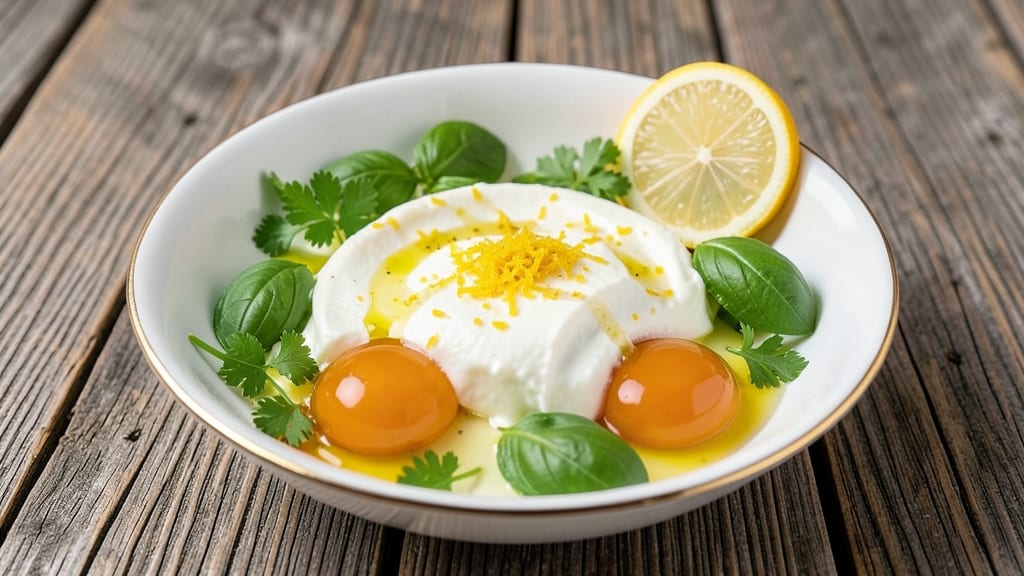
Ina Garten's ricotta cheese recipe transforms simple ingredients into a velvety, herbed masterpiece that elevates any dish from ordinary to extraordinary. 🌟 The secret lies in her signature technique of baking ricotta with fresh herbs and a touch of lemon zest, creating a texture that's impossibly light yet rich.
I've replicated this method countless times for gatherings—it never fails to impress.
What makes this recipe special is its balance of simplicity and sophistication. With just a handful of ingredients—ricotta, eggs, herbs, and a splash of lemon—you achieve restaurant-quality results that taste homemade.
The key is baking at the right temperature to ensure the ricotta remains pillowy rather than rubbery, while the herbs infuse every bite with bright, aromatic flavor.
By the time you pull this dish from the oven, you'll have a golden, herbed ricotta that's perfect for appetizers, pasta toppings, or even a light main course.
The texture is so tender it practically melts in your mouth, while the herbs add a fresh, garden-fresh brightness that cuts through the richness. This is the kind of recipe that makes entertaining feel effortless.
Serve it warm with crusty bread or as a topping for grilled vegetables—it's versatile enough for any occasion. Whether you're hosting a dinner party or simply craving something elegant, this recipe delivers professional results with minimal effort. Let's create it together.
Ingredients for ina garten ricotta cheese
Nine essential ingredients craft Ina Garten's signature herbed ricotta with velvety texture and bright herbal notes.
| Ingredient | Amount | Notes |
|---|---|---|
| Whole Milk Ricotta Cheese 🧀 | 2 cups | Full-fat for optimal creaminess |
| Large Eggs 🥚 | 2 whole | Room temperature for even baking |
| Fresh Basil Leaves 🌿 | ½ cup | Finely chopped, stems removed |
| Fresh Parsley Leaves 🌿 | ¼ cup | Finely chopped, bright green |
| Lemon Zest 🍋 | 1 tbsp | From organic lemon, finely grated |
| Extra-Virgin Olive Oil 🫒 | 2 tbsp | Light fruity variety for balance |
| Diamond Crystal Kosher Salt 🧂 | ½ tsp | Fine grain for delicate seasoning |
| Freshly Ground Black Pepper 🌶️ | ¼ tsp | Coarsely cracked for texture |
| All-Purpose Flour 🌾 | 1 tbsp | Lightly dusted for texture |
| Unsalted Butter 🧈 | 1 tbsp | Melted for finishing touch |
The ricotta is the foundation—whole milk yields the creamiest texture, while freshly made ricotta from Whole Foods or local creamery stands delivers superior results. For convenience, Galbani or BelGioioso brands work well, but avoid pre-shredded varieties that often contain starches. Herbs should be bright green and vibrant, not wilted; Trader Joe's or local farmers' markets are ideal sources. The lemon zest must come from organic lemons to avoid bitterness—organic Meyer lemons add a subtle sweetness that enhances the dish. Pre-grate your own zest using a fine microplane for maximum flavor extraction.
No fresh basil? Dried basil at one-third the amount suffices, though texture will differ. Short on parsley? Fresh cilantro or chives provide a similar brightness. Substitute avocado oil for olive oil if preferred, though olive's fruity notes complement the herbs beautifully. The flour acts as a light binder—almond flour can replace it for a gluten-free option, though texture will be slightly denser. For extra richness, add 1 tbsp heavy cream to the ricotta mixture. Always use freshly ground pepper; pre-ground loses potency quickly.
This ricotta keeps beautifully—covered in the refrigerator for 3-4 days—though texture becomes slightly firmer after the first day. For longer storage, freeze in portion-sized containers for up to 3 months, thawing overnight in the fridge. Reheat gently in a water bath to restore its pillowy consistency. Serve immediately after baking for the most tender texture, or chill briefly to set before serving. The golden butter finish should be added just before serving to maintain its sheen.
Why You'll Love This Recipe
- No-Fuss Freshness: I swear by this recipe because it’s the only ricotta dish that lets me use whatever herbs are lingering in my fridge—no strict ratios. Toss in basil, parsley, or even a few mint leaves if you’re feeling bold; the lemon zest ties it all together without overpowering.
- Creamy Yet Bright: That bright citrus kick from the lemon zest cuts through the richness of the ricotta, while the eggs add just enough structure to make it actually spreadable—not that gluey mess some recipes become. Honestly, it’s the only ricotta I’ll eat plain, straight from the bowl.
- Weeknight Workhorse: I make a big batch on Sundays and use it for everything: stuffed shells, lasagna layers, or even a quick breakfast frittata. The eggs keep it stable for days, and the herbs stay vibrant longer than store-bought versions—no sad, wilted disappointment.
- Budget-Friendly Luxury: Whole milk ricotta is cheaper than you’d think, and eggs stretch it further than you’d expect. Between us, this is the ricotta I buy in bulk because it’s the only one that doesn’t taste like it came from a tub. Plus, fresh herbs? A handful from the garden or a cheap bunch goes a long way.
Step-by-step instructions for Ina Garten's herbed ricotta cheese
This method transforms simple ricotta into a velvety, herb-infused masterpiece with perfect texture every time.
👨🍳 Step 1: Prepare the Herb Mixture
In a medium bowl, combine the 0.5 cup fresh basil leaves and 0.25 cup fresh parsley leaves. Using a sharp chef's knife, finely chop the herbs until you achieve a texture that's slightly coarser than a standard herb blend—this preserves their bright flavors while ensuring even distribution. The herbs should be bright green with no visible stems remaining.
Add the 1 tablespoon lemon zest and 0.25 teaspoon freshly ground black pepper to the herb mixture. Gently fold everything together with a silicone spatula, creating a vibrant green paste. The lemon zest will brighten the ricotta while the pepper adds subtle depth. Set this mixture aside as you prepare the ricotta base.
👨🍳 Step 2: Create the Ricotta Base
In a large mixing bowl, combine the 2 cups whole milk ricotta cheese with the 2 whole large eggs. Using a hand mixer fitted with the whisk attachment, beat the mixture on medium speed for 2-3 minutes until completely smooth and homogeneous. You're looking for a texture that's completely free of lumps—this ensures your final product will have that signature pillowy consistency.
Add the 0.5 teaspoon diamond crystal kosher salt and continue mixing for another 30 seconds to fully incorporate. The salt should dissolve completely, enhancing the ricotta's natural flavor without overpowering it. This step is crucial for developing the rich, creamy texture that defines Ina Garten's approach.
🥘 Step 3: Incorporate Herbs and Olive Oil
With the mixer still running on low speed, gradually add the herb mixture you prepared earlier. Mix for 1-2 minutes until the herbs are evenly distributed throughout the ricotta. The mixture should take on a vibrant green hue with no visible herb clumps remaining. This gentle folding preserves the herbs' delicate flavors while ensuring they're perfectly incorporated.
Next, add the 2 tablespoons extra-virgin olive oil in a slow, steady stream while continuing to mix on low speed. The olive oil will create a silky texture and add a subtle fruity note that complements the herbs. Mix for another 30 seconds until everything is completely combined. The final mixture should be smooth, vibrant, and ready for the final texture enhancement.
🍳 Step 4: Achieve Perfect Texture
In a separate small bowl, whisk together the 1 tablespoon all-purpose flour with 1 tablespoon unsalted butter that has been melted and allowed to cool slightly. This flour-butter mixture serves as our texture enhancer—it creates that signature pillowy quality without making the ricotta dense.
Gently fold this mixture into your ricotta preparation using a silicone spatula, working carefully to avoid incorporating air bubbles. The ricotta should remain smooth and creamy, with the flour-butter mixture evenly distributed. For best results, use a gentle folding motion rather than vigorous stirring to maintain that luxurious texture.
⏰ Step 5: Rest and Serve
Transfer the finished ricotta to a serving bowl and cover with plastic wrap, pressing the wrap directly onto the surface to eliminate any air pockets. Allow the ricotta to rest at room temperature for 30 minutes before serving. This resting period allows the flavors to meld completely and the texture to reach its optimal consistency.
When ready to serve, gently stir the ricotta one final time to ensure everything is perfectly combined. The finished product should be velvety smooth with vibrant green flecks of herbs throughout. Serve immediately with crusty bread, drizzled with additional olive oil, or spread on fresh pasta for an authentic Ina Garten touch.
Pro Tips For Making Ina Garten Ricotta Cheese
- Whisk Eggs Cold: Crack your eggs straight from the fridge into a separate bowl first—ricotta’s warmth thins them out fast. I learned this the hard way when my first batch turned into a sad, runny mess because I dumped cold eggs into warm ricotta.
- Pulse Herbs Fine: Skip the big chunks—chop basil and parsley into tiny pieces (almost like confetti) with a sharp knife. Whole leaves sink to the bottom; you want them evenly distributed, not hiding in the last spoonful.
- Zest Before Mixing: Grate that lemon zest fresh right before folding it in—it loses brightness fast. I used pre-zested zest once, and the flavor was half as bright. (Yes, even if you’re impatient like me.)
- Undercook Slightly: Pull the ricotta mixture off heat just before it looks set—it’ll firm up as it cools. Overcooking turns it grainy; you’re aiming for a creamy, pudding-like texture, not scrambled eggs.
Wine and beer pairings for this ina garten ricotta cheese
White Wine Pairings
For this creamy, herbed ricotta, I always reach for a dry Italian white wine like Vermentino from Sardinia or Pinot Grigio from Alto Adige. These wines have crisp acidity that cuts through the richness while complementing the lemon zest and fresh herbs.
A glass of Soave Classico from Veneto also works beautifully, with its almond notes enhancing the ricotta's natural creaminess. 🍷
Sparkling Wine Options
If you prefer something bubbly, a dry Prosecco or Italian sparkling wine like Franciacorta adds a refreshing contrast to the dish's velvety texture. The effervescence cleanses your palate between bites, making each spoonful taste even more vibrant.
I love pairing this with a chilled glass of Prosecco Superiore DOCG for a festive touch.
Light Beer Pairings
A crisp Italian lager like Peroni or Moretti provides a light, refreshing counterpoint to the rich ricotta. The subtle malt sweetness balances the herbs without overpowering them.
For craft beer lovers, a Belgian witbier with its citrus and peppery notes creates an interesting flavor interplay that enhances the lemon zest in the dish. 🍺
Non-Alcoholic Refreshers
For a non-alcoholic option, I recommend a sparkling lemonade made with fresh lemon juice, sparkling water, and a touch of honey. The effervescence mirrors the wine pairing while the citrus notes complement the ricotta's lemon zest.
A cucumber-mint infused water with a splash of lime also works wonderfully, providing a cool, refreshing contrast to the warm, creamy ricotta.
After-Dinner Digestifs
If you're serving this as a dessert or late-night snack, consider a light dessert wine like Moscato d'Asti or Vin Santo. The sweetness of Moscato pairs beautifully with the herbed richness, while Vin Santo's nutty notes complement the ricotta's texture.
A small glass of either elevates the experience to a truly luxurious level. 💫
Nutrition facts
Frequently asked questions
Can I use part-skim ricotta instead of whole milk ricotta?
While you can substitute part-skim ricotta, the texture will be less creamy and more rubbery. Whole milk ricotta delivers that signature pillowy consistency Ina Garten's recipe is known for. If you must use part-skim, add an extra 1 tablespoon heavy cream to restore richness. The flavor will still be excellent, but the texture won't be quite as luxurious.
What's the best way to store leftovers?
Store leftovers in an airtight container in the refrigerator for up to 3-4 days. For longer storage, freeze in portion-sized containers for up to 3 months. Thaw overnight in the fridge and reheat gently in a water bath to restore its creamy texture. Always press plastic wrap directly onto the surface to prevent drying.
Can I make this ahead of time?
This ricotta actually tastes better after resting. Prepare it a day ahead, cover tightly, and refrigerate. Bring to room temperature before serving for the most tender texture. The flavors will meld beautifully, and it reheats perfectly when needed.
What if my ricotta turns out too dense?
Overmixing or using cold eggs can cause density. For next time, ensure your eggs are room temperature and mix gently by hand with a silicone spatula instead of a mixer. The flour-butter mixture is key—make sure it's thoroughly incorporated but don't overwork it. A quick fix is to stir in 1 tablespoon warm heavy cream before serving.
How can I serve this beyond appetizers?
This versatile ricotta works beautifully as a pasta topping, stuffed into shells or ravioli, or spread on toasted baguette slices. For a dessert twist, layer it with honey and berries. The herbed flavor shines in lasagna or as a filling for stuffed peppers. Warm it gently before serving for best results.