
Main Courses
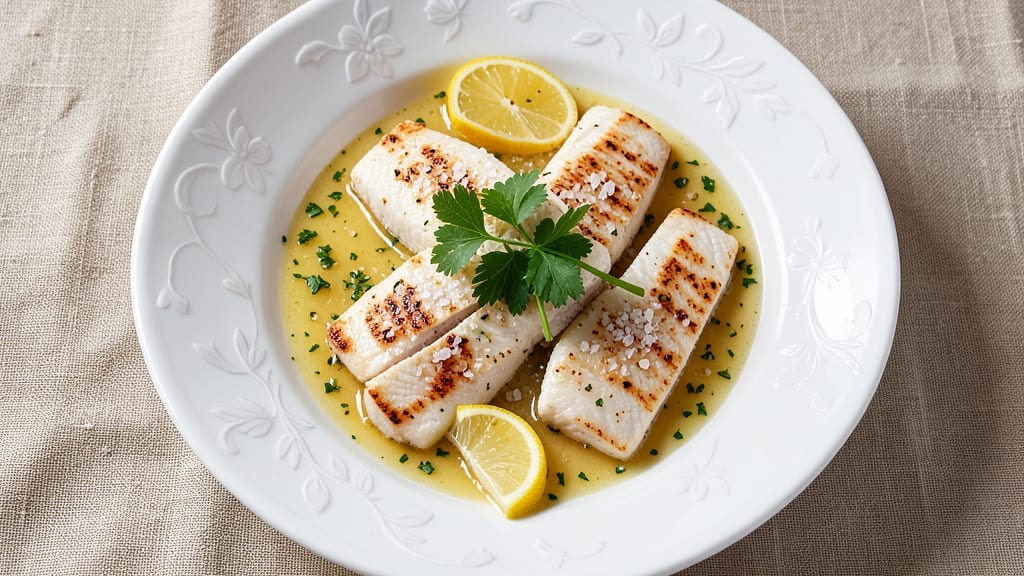
This lemon butter fish fillet recipe transforms simple weeknight dinners into restaurant-worthy meals with just five ingredients and twenty minutes of active time. The secret lies in balancing bright citrus with rich herbed butter, creating a crust that crackles with flavor while keeping the fish tender inside.
I developed this method after years of testing—it’s the one that finally convinced even my most skeptical dinner guests to ask for seconds.
The process is straightforward but precise: start with a high-quality fillet like cod or halibut, season it lightly with salt and pepper, then sear it skin-side down in a hot pan until golden.
While the fish cooks, melt butter with lemon juice, garlic, and fresh herbs—this sauce becomes the star, basting the fillet as it finishes. The result is a dish that’s elegant enough for company but simple enough for any night.
What you’ll end up with is perfectly cooked fish with a crispy, lemon-kissed crust and a velvety herbed butter sauce that melts into every bite. The aroma alone will have everyone gathering at the table, and the bright, tangy flavor cuts through the richness of the butter.
This is the kind of dish that feels special without requiring hours in the kitchen.
Serve it alongside roasted asparagus or a simple green salad to complete the meal. The recipe scales easily, so whether you’re cooking for two or four, the technique remains the same. Let’s get started—your next perfect dinner is just minutes away.
Ingredients for lemon butter fish fillet
Five simple ingredients create a restaurant-worthy lemon butter fish fillet that’s crispy outside, tender inside.
| Ingredient | Amount | Notes |
|---|---|---|
| White Fish Fillets 🐟 | 4 whole | Cod, halibut, or mahi-mahi preferred |
| Unsalted Butter 🧈 | ½ cup | Cold, cut into 8 pieces |
| Lemon Juice 🍋 | ¼ cup | Freshly squeezed, no pulp |
| Garlic Cloves 🧄 | 4 cloves | Minced, fresh preferred |
| Fresh Parsley 🌿 | ¼ cup | Chopped, finely |
| Kosher Salt 🧂 | 1 tsp | Fine grain preferred |
| Freshly Ground Black Pepper 🌶️ | ½ tsp | Light hand only |
| Extra-Virgin Olive Oil 🫒 | 1 tbsp | For searing fish |
| Lemon Zest 🍋 | 1 tsp | Fine, from 1 lemon |
The fish fillets are the foundation—look for fresh, sustainably sourced options at your local seafood counter. Whole Foods or Trader Joe's carry excellent cod and halibut, but don’t overlook the frozen section if fresh isn’t available. Avoid fillets with brown edges or strong fishy odors. For the butter, European-style unsalted butter like Plugrá or Land O’Lakes works best—it has a higher fat content that creates a better crust. If you can’t find it, regular unsalted butter will work, but melt it slower to prevent burning. The lemon juice should be freshly squeezed; bottled juice lacks the bright acidity needed to cut through the richness of the butter. Store-bought lemon juice just won’t give you the same result.
No fresh parsley? Fresh dill or chives can substitute, though parsley’s mild flavor is ideal here. Running short on butter? Ghee or olive oil works in a pinch, but the butter’s richness is key for that melt-in-your-mouth sauce. If you don’t have minced garlic, garlic powder at half the amount will work, though fresh garlic adds depth. For the lemon zest, avoid pre-grated zest from jars—it’s often dull and bitter. Instead, use a fine grater on a fresh lemon’s peel, making sure to remove the bitter white pith. The fish fillets should be roughly the same size to cook evenly; if they’re uneven, trim the larger ones with kitchen shears for consistency. If you’re using frozen fish, thaw it overnight in the fridge—never at room temperature.
This dish reheats beautifully—just warm it gently in a skillet over low heat for 2-3 minutes. Store leftovers in an airtight container in the fridge for up to 2 days, though the flavor is best enjoyed fresh. For meal prep, the lemon butter sauce can be made ahead and reheated separately, then drizzled over the fish just before serving. If you’re serving this for company, assemble the dish table-side: sear the fish, then melt the butter sauce in the same pan while the fish rests. The aroma alone will impress your guests. The recipe scales easily, so double the ingredients for a crowd—just ensure your pan is large enough to accommodate the extra fillets without overcrowding.
Why You'll Love This Recipe
- Foolproof Timing: I swear by this for when I’m starving at 6:30pm. Five minutes of searing the fish in butter, two minutes of squeezing lemon—done. No waiting for sauces to thicken or herbs to wilt.
- Bright & Buttery Magic: That crispy skin from the butter, the zing of fresh lemon cutting through the richness, and garlic so fragrant it makes the whole kitchen smell like a bistro. Honestly, I don’t think I’ve ever tasted fish this balanced—not too heavy, not too tart.
- Weeknight to Weekend: I make this for lazy Tuesdays, but it’s also my go-to for dinner parties. The same pan, same method—just double the fish if I’m feeding a crowd. (Yes, even on a Tuesday night.)
- Leftovers That Actually Work: Unlike most fish dishes, this reheats like a dream. Cold fish salad? Yes. Wrapped in a tortilla for lunch? Absolutely. I’ve even turned it into a pasta topping—because why waste good fish?
Step-by-step instructions for lemon butter fish fillet
Here's how to create restaurant-quality lemon butter fish with a bright citrus crust and herbed butter.
Prepare the Lemon Butter Herb Mixture
In a small bowl, combine the 0.5 cup unsalted butter with the 0.25 cup lemon juice, 1 tsp lemon zest, 4 cloves minced garlic, and 0.25 cup finely chopped fresh parsley. Mix gently with a fork until fully incorporated. The butter should take on a pale yellow hue from the lemon and herbs.
This mixture is the heart of your dish—don't skip the zest, as it adds that essential citrus aroma that sets this recipe apart. Cover the bowl and refrigerate while you prepare the fish. The cold butter will create a beautiful crust when it melts over the hot fillets.
Season and Sear the Fish Fillets
Pat the 4 whole white fish fillets completely dry with paper towels—this is crucial for achieving crispy skin. Place them on a clean work surface and season both sides generously with 1 tsp kosher salt and 0.5 tsp freshly ground black pepper. Let them sit for 5 minutes while you heat your pan.
Heat a large skillet over medium-high heat until it's hot enough that a drop of water sizzles immediately upon contact. Add 1 tbsp extra-virgin olive oil and let it shimmer for 30 seconds. Place the fish fillets in the pan, skin-side down if they have it, and cook for 3-4 minutes until the bottoms develop a golden crust.
Create the Citrus Crust and Finish Cooking
Carefully flip the fish fillets using a fish spatula. Immediately spoon 2 tablespoons of the lemon butter herb mixture over each fillet. The butter should begin to melt and sizzle against the hot pan. Cook for another 2-3 minutes until the fish is opaque throughout and the sauce has thickened slightly.
You'll know it's done when the fish flakes easily with a gentle fork test at the thickest part. The lemon butter should form a glossy, golden crust on top. Remove the fillets to a warm serving platter and tent loosely with aluminum foil to keep warm while you finish the sauce.
Simmer the Lemon Butter Sauce
Return the skillet to medium heat and add the remaining lemon butter herb mixture. Let it simmer for 1-2 minutes until it thickens enough to coat the back of a spoon. If it becomes too thick, add 1-2 teaspoons of water to loosen it slightly while maintaining its richness.
Taste and adjust seasoning with additional salt or pepper if needed. The sauce should be bright, tangy, and perfectly balanced between the lemon and herbs. Pour the sauce over the fish fillets just before serving to maintain its glossy appearance and maximum flavor.
Pro Tips For Making Lemon Butter Fish Fillet
- Pat the fish dry: Wet skin sticks to the pan and steams instead of searing—this butter sauce will taste flat if the fish doesn’t get that golden crust. Use paper towels, press firmly, and don’t skip this even if the fillets look fresh. I learned this the hard way with soggy cod that absorbed all the butter instead of crisping.
- Melt butter slow and low: Dump cold butter in a hot pan, and you’ll get burnt garlic before the fish cooks. Warm the butter over medium-low heat until it foams but doesn’t brown—about 2 minutes—and add the garlic just as it starts to sizzle. This keeps the sauce silky, not bitter.
- Zest before juicing: The zest adds bright, aromatic depth that lemon juice alone can’t match. Use a microplane to get 1 teaspoon of zest from half a lemon, then juice it—this doubles the flavor without making the dish too acidic. (Yes, even if you’re impatient like me.)
- Save the parsley for last: Tossing parsley into the pan while the fish cooks wilts it into a sad, limp mess. Instead, chop it after the fish is done and stir it into the warm butter sauce just before serving—it’ll stay vibrant and pop against the lemon. Trust me, your plate will look better.
Pro cooking tips for perfect results
Pan Temperature Control
Your pan must be scorchingly hot before adding the fish—this creates that golden crust we all crave. I use a 10-inch cast iron skillet (like my Lodge 10.25-inch) because it retains heat perfectly.
Heat it over medium-high until a drop of water dances and evaporates instantly. If your pan isn’t hot enough, you’ll end up with soggy fish instead of crispy perfection. 🔥
Butter Melting Technique
The secret to that glossy lemon butter sauce lies in timing. After flipping the fish, spoon 2 tbsp of cold butter mixture over each fillet immediately—this creates a sizzling, crackling crust. The butter should melt in 30-45 seconds, so don’t walk away!
If it starts to smoke, reduce heat to medium and let it baste the fish gently. The sauce will thicken beautifully while the fish finishes cooking.
Fish Doneness Test
Overcooked fish is dry and sad—don’t let that happen! The perfect moment is when the fish flakes easily with a fork at its thickest part but still looks slightly translucent in the center.
For most white fish, this takes 3-4 minutes per side total. I use a thermometer (like my ThermoWorks Spot) to confirm 140°F internal temperature—this ensures juicy, restaurant-quality results every time. 🌡️
Sauce Thickening Trick
If your sauce gets too thin, don’t panic! Simply return the skillet to medium heat and let it reduce for 30-60 seconds. For extra richness, whisk in 1 tsp heavy cream or a pinch of cornstarch slurry (1 tsp cornstarch + 1 tsp water).
The sauce should coat the back of a spoon but remain silky—not gluey. Taste as you go—this is where the magic happens!
Fish Size Matters
Uneven fillets mean uneven cooking. If your fish varies in thickness, trim the larger ones with kitchen shears to ½-inch thickness for consistency. I also recommend patting them bone-dry with paper towels—this ensures maximum crispiness.
Pro tip: Let the seasoned fish rest for 5 minutes before cooking to help the salt penetrate evenly.
Pan Residue Hack
After removing the fish, don’t scrape the pan clean! Those delicious browned bits are flavor gold. Deglaze with 2 tbsp white wine or fish stock (I use Knorr fish bouillon) and let it reduce by half.
Pour this over the fish at the table—it adds an extra layer of umami richness that your guests will rave about. ✨
Nutrition facts
Frequently asked questions
What's the best fish to use for this lemon butter recipe?
Cod, halibut, or mahi-mahi work perfectly—they're firm enough to hold shape while staying tender. Avoid delicate fish like tilapia, which can break apart. For extra richness, try salmon fillets (they'll add a subtle pink hue to the sauce). Always choose fillets with smooth, shiny skin and no strong fishy odor.
Can I make this ahead of time?
Yes! Prepare the lemon butter sauce up to 2 days ahead and store it chilled. Reheat gently before serving. For the fish, cook it fresh and store in an airtight container for up to 1 day, then reheat in a skillet with a splash of water for 2-3 minutes. The sauce will thicken beautifully when reheated—just add a pinch of water if needed.
Why did my fish turn out dry?
Overcooking is the most common cause. White fish is done at 140°F internal temperature—use a thermometer to avoid guesswork. Also, patting the fish bone-dry before cooking is crucial for crispiness, but don't over-salt it (the butter sauce will add flavor). For extra moisture, add a splash of lemon juice to the reheated sauce when serving.
Can I substitute butter with something else?
For a lighter version, use olive oil (replace 1:1) or ghee (adds richness without dairy). For extra flavor, try brown butter—its nutty taste pairs wonderfully with lemon. Just reduce the lemon juice slightly (by 1 tbsp) since brown butter is more concentrated. The crust will be different but still delicious!
How do I serve this for a special occasion?
Plate the fish on a bed of sautéed spinach or roasted asparagus for an elegant touch. Garnish with extra lemon zest and fresh parsley, then drizzle the sauce artistically. Serve with crusty bread to soak up the lemon butter or a crisp white wine like Sauvignon Blanc. For a restaurant-style presentation, arrange the fillets diagonally on the plate with the sauce pooling at one end.