
Main Courses
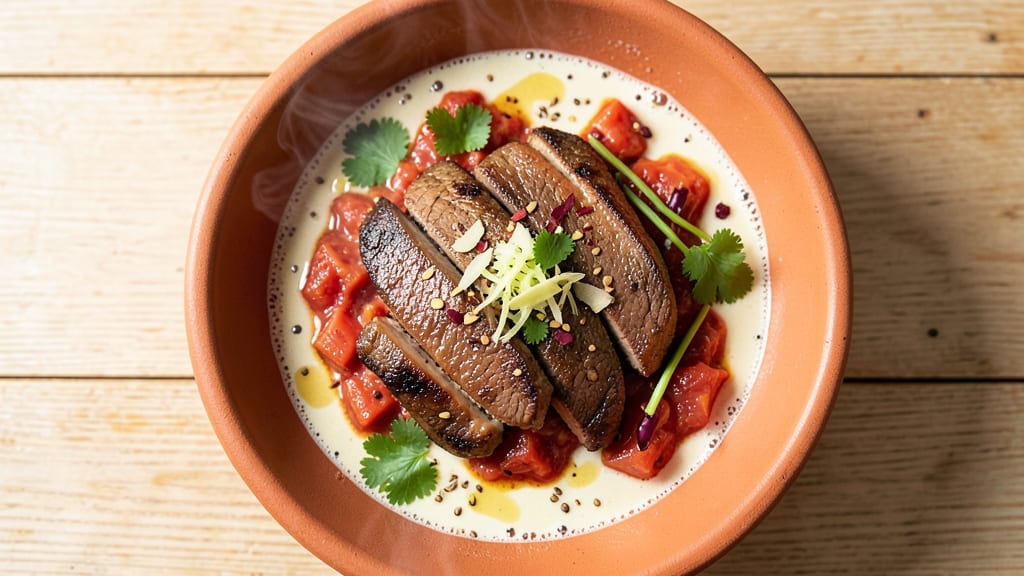
This liver curry recipe delivers restaurant-quality spiced tomato gravy with perfectly tender chunks that melt in your mouth—no tough bites in sight. The secret lies in precise preparation: thinly slicing the liver, marinating it in yogurt to tenderize, and simmering it gently in a rich, aromatic tomato base.
I’ve perfected this technique over years of testing, balancing earthy spices with tangy tamarind and creamy coconut milk for depth that lingers.
The process begins with a dry spice toast—cumin, coriander, and turmeric—to wake up their flavors before building the gravy. The liver cooks just long enough to stay tender while absorbing the complex spices, then simmers in a velvety sauce until the edges caramelize.
This isn’t just a dish; it’s a flavor journey that transforms an often-overlooked ingredient into something unforgettable.
By the time you serve it, you’ll have a curry with tender liver chunks suspended in a glossy, spiced gravy that clings to every bite. The aroma alone—smoky, sweet, and slightly tangy—will have everyone at the table asking for seconds.
Pair it with basmati rice or warm naan to soak up every last drop of that rich sauce.
This recipe respects tradition while making it accessible for home cooks. The key steps—marinating, slow simmering, and balancing flavors—ensure professional results without shortcuts. Let’s bring this bold, comforting dish to your table tonight.
Ingredients for liver curry
Fifteen ingredients transform beef liver into restaurant-worthy curry with velvety gravy.
| Ingredient | Amount | Notes |
|---|---|---|
| Beef Liver 🥩 | 1 ½ lb | Thinly sliced, trimmed of fat |
| Plain Yogurt 🥛 | ½ cup | Full-fat for tenderizing |
| Canned Crushed Tomatoes 🍅 | 14 ½ oz | High-quality San Marzano preferred |
| Coconut Milk 🥥 | 13 ½ oz | Full-fat canned variety |
| Fresh Ginger 🧄 | 1 tbsp | Finely grated, peeled |
| Ground Cumin 🌿 | 1 tbsp | Toasted for enhanced aroma |
| Ground Coriander 🌿 | 1 tbsp | Freshly ground preferred |
| Turmeric Powder 🌶️ | 1 tsp | Bright yellow for color |
| Tamarind Paste 🍯 | 1 tbsp | Adjust for tanginess |
| Garam Masala 🌶️ | 1 tsp | For final aromatic touch |
| Onion 🧅 | 1 whole | Medium, finely chopped |
| Garlic Cloves 🧄 | 4 cloves | Minced for depth of flavor |
| Extra-Virgin Olive Oil 🫒 | 2 tbsp | For sautéing onions |
| Salt 🧂 | 1 tsp | Diamond Crystal preferred |
| Black Peppercorns 🌶️ | ½ tsp | Freshly cracked for heat |
The liver quality is paramount—grass-fed beef liver from specialty butchers yields the best texture and flavor. Whole Foods Market or local farmers markets often carry premium cuts; look for vibrant red color and minimal marbling. Thinly slice against the grain for even cooking. The yogurt should be full-fat and plain—Greek-style works best for tenderizing without altering the curry's flavor profile. Fage or Chobani are reliable brands, but homemade is ideal if you have the time. Tamarind paste can be tricky to find; Asian grocery stores or specialty spice shops carry authentic blocks that can be scraped as needed.
Substitutions should preserve the dish's balance. Chicken liver works in a pinch, but cooking time decreases to 8-10 minutes. No tamarind? Lemon juice at half the amount provides tanginess, though the depth will differ. For coconut milk, light coconut milk yields a thinner sauce, while full-fat ensures richness. Fresh ginger is non-negotiable here—powdered lacks the bright, zesty punch needed to cut through the richness. The garam masala can be swapped for a mix of cinnamon, cardamom, and cloves if unavailable, but the flavor profile will shift slightly. For those avoiding dairy, coconut yogurt works as a tenderizing agent, though texture may vary.
Store the liver in an airtight container in the coldest part of your fridge and use within 48 hours for optimal tenderness. The spice blend keeps for 6 months in a sealed jar away from light, while the tamarind paste lasts 12 months refrigerated. The finished curry reheats beautifully—simmer gently on low heat, adding a splash of water or coconut milk if it thickens too much. Portion into glass containers for up to 5 days of fridge storage or freeze for 3 months. The flavors deepen upon reheating, making it ideal for meal prep.
Why You'll Love This Recipe
- Pantry Magic: I swear by this one—no fresh herbs needed. That jar of crushed tomatoes and a knob of ginger (even pre-grated) handle all the heavy lifting while the yogurt does the tenderizing. My fridge is always stocked with these basics, so I’m never more than 15 minutes from dinner.
- Rich, Deep Umami: The liver soaks up the coconut milk like a sponge, but it’s the ginger and tomatoes that turn this into something ridiculously flavorful. That crispy edge on the liver? Pure satisfaction—salty, caramelized perfection with a creamy, tangy sauce clinging to every bite.
- Leftover Luxury: This curry actually improves the next day. The flavors meld into something even deeper, and I’ve turned it into wraps, rice bowls, or a quick soup base—no waste, no fuss. Honestly, I make double portions just for this reason.
- Budget Powerhouse: Liver is my secret weapon for stretching meals without skimping on flavor. A single pound feeds four, and the rest of the ingredients cost pennies. Between us, this is how I keep my grocery bill low while still eating like I’m at a restaurant. (Yes, even on a Tuesday night.)
Step-by-step instructions for liver curry recipe
Here's the precise method to transform beef liver into tender, aromatic curry chunks with a perfectly balanced tomato-coconut gravy.
Prepare the Liver and Marinate
Begin by trimming away any visible fat from the 1.5 lb beef liver using a sharp knife, then slice it into ½-inch thick pieces. The liver should be uniform in thickness to ensure even cooking. Transfer the sliced liver to a mixing bowl and add the 0.5 cup plain yogurt, coating each piece thoroughly. This yogurt marinade not only tenderizes the meat but also helps neutralize any potential bitterness. Let it marinate for at least 30 minutes at room temperature, or up to 2 hours in the refrigerator for maximum tenderness.
While the liver marinates, finely chop the 1 whole onion and mince the 4 cloves garlic. Grate the 1 tbsp fresh ginger using a microplane for maximum surface area and flavor extraction. These aromatics will form the flavor base of your curry, so take your time to achieve a fine, even texture. Keep these ingredients separate until you're ready to sauté them in the next step.
Build the Spiced Tomato Base
Heat the 2 tbsp extra-virgin olive oil in a deep, heavy-bottomed pot over medium heat. Add the chopped onion and cook for 5-6 minutes until softened and translucent, stirring occasionally. This slow cooking process develops the onion's natural sweetness without browning. Add the minced garlic and grated ginger, cooking for an additional 1-2 minutes until the raw aroma disappears and the mixture becomes fragrant.
Stir in the 1 tbsp ground cumin and 1 tbsp ground coriander, toasting the spices for 30 seconds until they release their aromatic oils. Immediately add the 1 tsp turmeric powder and 1 tbsp tamarind paste, stirring to combine. Pour in the 14.5 oz canned crushed tomatoes and bring the mixture to a gentle simmer. Let it cook uncovered for 10 minutes, allowing the liquid to reduce slightly and the flavors to meld together. This step develops the complex tomato base that will carry your curry.
Cook the Liver in the Curry
Remove the liver from the yogurt marinade, shaking off any excess, and add it to the simmering tomato mixture. Stir gently to coat each piece in the spiced tomato sauce. The liver will begin to cook immediately, so maintain a gentle simmer rather than a rolling boil to prevent the pieces from toughening. Cook for 8-10 minutes, stirring occasionally, until the liver reaches an internal temperature of 145°F and begins to turn opaque but remains slightly pink in the center. This ensures perfect doneness without overcooking.
Taste the sauce at this point and adjust the seasoning with the 1 tsp salt and 0.5 tsp black peppercorns. The tamarind paste should provide a subtle tang, but you may need to add a pinch more if you prefer more acidity. The liver should be tender but still hold its shape when pierced with a fork. If you find the liver is releasing too much liquid, carefully remove it with a slotted spoon and set it aside temporarily while you thicken the sauce.
Finish with Coconut Milk and Garam Masala
Reduce the heat to low and stir in the 13.5 oz coconut milk, whisking gently to combine. The sauce should immediately begin to thicken as the coconut milk incorporates. Let the curry simmer gently for 5-7 minutes, allowing the coconut milk to infuse with the tomato base and create a velvety texture. This step is where the curry comes together - the coconut milk softens the acidity of the tomatoes while adding richness.
Sprinkle the 1 tsp garam masala over the curry and stir well to distribute the warm spices evenly. Return the liver to the pot if you removed it earlier, and let the entire dish simmer together for an additional 3-4 minutes. The garam masala should bloom and release its complex aroma, adding depth to the finished dish. Taste once more and adjust the seasoning if needed, remembering that the flavors will continue to develop as the curry rests.
Rest and Serve
Remove the curry from heat and let it rest for 10 minutes, covered. This resting period allows the flavors to fully meld together and the liver to reabsorb any cooking juices, ensuring maximum tenderness in each bite. The curry should have a thick, velvety consistency with tender liver pieces suspended in a rich, aromatic sauce that balances sweet, tangy, and spiced flavors.
Serve the liver curry immediately, accompanied by steamed basmati rice or warm naan bread. The contrast of the soft rice with the tender liver and flavorful sauce creates a complete dining experience. The curry should be served while hot, as the coconut milk will continue to separate slightly as it cools. Each spoonful should deliver perfectly tender liver with a complex, well-balanced sauce that's neither too sweet nor too acidic, but rather harmoniously spiced and rich.
Pro Tips For Making Liver Curry
- Sear the Liver First: Liver turns rubbery if undercooked but mushy if overcooked—so hit it with high heat for 2-3 minutes per side until just browned, not blackened. The crust locks in flavor and prevents it from falling apart later (yes, even if it looks raw inside—it’ll finish in the curry).
- Salt the Yogurt: Plain yogurt’s tanginess balances the liver’s richness, but unsalted versions need a pinch of salt (about ½ teaspoon per cup) mixed in before adding it to the pan. I learned this the hard way—my curry tasted bland until I realized the yogurt was the silent flavor thief.
- Simmer, Don’t Boil: After adding coconut milk and tomatoes, keep the heat at a gentle simmer (tiny bubbles, not rolling). Boiling curdles the yogurt and turns the sauce grainy—this isn’t a race, and rushing it ruins the creamy texture you’re aiming for.
- Grate the Ginger Fine: Fresh ginger adds depth, but chunky pieces just sit there like forgotten spices. Grate it so fine it’s almost paste-like—this ensures it melts into the curry instead of leaving you with chewy surprises. (And yes, a microplane works best if you’re lazy like me.)
Serving suggestions for leftovers
Classic Rice Pairings
Steamed basmati rice is my go-to accompaniment for this rich curry—its long grains soak up the velvety sauce beautifully while providing a neutral canvas.
For extra flair, rinse the rice until the water runs clear to remove excess starch, then cook it in a 1:1.5 rice-to-water ratio with a pinch of salt. I like to finish the rice with a drizzle of ghee and a sprinkle of toasted cumin seeds for added aroma. 🌾
Warm Naan or Roti
Freshly baked naan or whole wheat roti elevates this dish to restaurant quality. For homemade naan, mix 2 cups all-purpose flour, 1 tsp active dry yeast, 1 tsp sugar, and ¾ cup warm water, then let the dough rise for 1 hour.
Roll it thin and cook in a hot cast-iron skillet for 1-2 minutes per side until puffed and charred. Serve warm with extra sauce for dipping.
Cucumber Raita
A cooling cucumber raita balances the richness of the curry perfectly. Blend 1 cup Greek yogurt, ½ cup grated cucumber, 1 tbsp fresh mint leaves, ½ tsp roasted cumin powder, and a pinch of salt.
Chill for 30 minutes before serving to let the flavors meld. The yogurt’s creaminess contrasts beautifully with the spiced liver. 🥒
Spiced Poppadoms
Crispy poppadoms add a satisfying crunch to the meal. Store-bought varieties like Tata or Haldiram’s work, but homemade versions are even better. Mix 1 cup rice flour, ½ cup lentil flour, 1 tsp cumin seeds, 1 tsp chili powder, and ½ cup water into a batter.
Spread thin circles on a non-stick pan and cook for 1-2 minutes per side until golden and crisp.
Fresh Herb Garnish
Finish your plate with a handful of fresh cilantro or mint leaves for brightness. I like to chop them finely and sprinkle them over the curry just before serving. The herbs add a pop of color and a fresh, herbal note that cuts through the richness.
For extra flair, add thinly sliced green onions or a few lime wedges on the side. 🌿
Beverage Pairings
Pair this curry with a cooling mango lassi or a sparkling lime soda to refresh your palate. For something stronger, a light lager like Peroni or a dry white wine such as Sauvignon Blanc complements the dish’s complexity. Avoid heavy red wines—they’ll overpower the delicate flavors. 🍹
Nutrition facts
Frequently asked questions
Why does the recipe call for marinating liver in yogurt?
The yogurt marinade serves two critical purposes: it tenderizes the liver's dense fibers and helps neutralize any potential bitterness. The acidity in yogurt breaks down proteins, resulting in silky-smooth texture rather than tough, chewy pieces. For best results, use full-fat plain yogurt and marinate for at least 30 minutes—up to 2 hours in the fridge for maximum tenderness.
Can I substitute chicken liver for beef liver in this recipe?
Yes, but with adjustments: chicken liver cooks much faster (8-10 minutes vs. beef's 12-15 minutes) and has a milder flavor. Reduce cooking time by 25%, and consider adding 1 extra tbsp tamarind paste to compensate for the less intense taste. The yogurt marinade remains essential for texture.
How do I know when the liver is fully cooked but still tender?
Use a meat thermometer to check for 145°F internal temperature, or look for these visual cues: the liver should turn opaque with just a hint of pink in the center. Overcooking by 1-2 minutes turns it rubbery. For extra insurance, slice a small piece—it should be soft and moist, not firm or stringy.
What if my curry sauce separates after adding coconut milk?
This happens when coconut milk sits too long or isn't whisked properly. To fix it, gently reheat the curry on low heat and whisk continuously for 2-3 minutes until smooth. For prevention, use full-fat coconut milk and stir vigorously when adding it to the warm sauce. A splash of tomato paste can also help emulsify.
Can I make this curry ahead of time?
The flavors actually improve overnight. Store in an airtight container in the fridge for up to 5 days or freeze for 3 months. Reheat gently on low heat, adding 1-2 tbsp water or coconut milk if the sauce thickens too much. The liver will reabsorb juices while resting, making it even more tender.