Main Courses
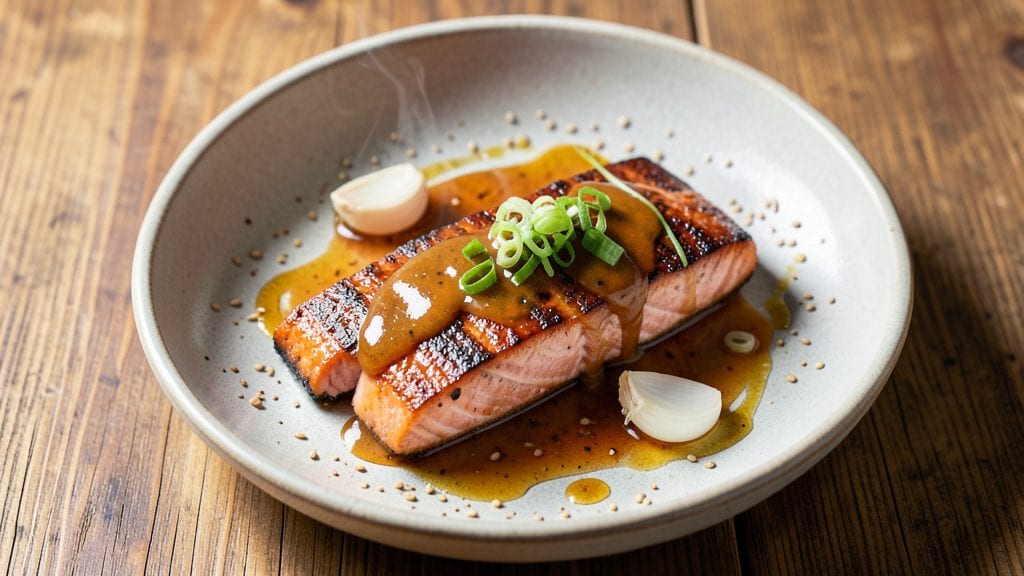
This oven baked miso salmon recipe delivers restaurant-quality umami depth with just 25 minutes of hands-on time and zero fuss. The key lies in miso’s dual role—marinating the fish for tender, flavorful meat while creating a sticky, caramelized glaze that cracks into addictive crunch.
I perfected this method after years of testing, and it’s now my go-to for weeknight dinners that feel like a special occasion.
The beauty of this recipe is its simplicity: five core ingredients transform basic salmon into a dish that’s rich, complex, and foolproof. No need for complicated techniques—just a marinade that works its magic while you prep sides, followed by a single baking step at 375°F.
The miso’s natural sweetness and saltiness balance perfectly with the salmon’s natural oils, creating a glaze that’s both savory and slightly sweet.
What you’ll end up with is golden, crackly-skinned salmon with tender flesh underneath, all coated in a glossy miso glaze that adds texture and depth. The aroma alone will have everyone gathering at the table, and the first bite delivers that perfect harmony of umami, sweetness, and richness.
This is the kind of dish that elevates simple weeknights into memorable meals.
Pair it with steamed jasmine rice and quick sautéed greens for a complete meal that’s ready in under 30 minutes. The miso glaze also works beautifully on chicken or tofu, making this a versatile technique for your cooking repertoire. Let’s get started with the full step-by-step guide.
Ingredients for oven baked miso salmon
Five core ingredients transform basic salmon into restaurant-quality umami perfection.
| Ingredient | Amount | Notes |
|---|---|---|
| Center-Cut Salmon Fillets 🐟 | 4 whole | Skin-on, 6-8 oz each, even thickness |
| White Miso Paste 🧂 | ¼ cup | High-quality, unsweetened preferred |
| Honey 🍯 | 2 tbsp | Wildflower or clover preferred |
| Soy Sauce 🥢 | 2 tbsp | Kosher or low-sodium preferred |
| Sesame Oil 🫒 | 1 tbsp | Toasted sesame oil for aroma |
| Garlic Cloves 🧄 | 4 cloves | Minced, fresh preferred |
| Ginger Root 🌿 | 1 tbsp | Freshly grated, peeled |
| Diamond Crystal Kosher Salt 🧂 | 1 tsp | For seasoning, not marinade |
| Black Peppercorns 🌶️ | ½ tsp | Freshly cracked, coarse grind |
| Avocado Oil 🫒 | 1 tbsp | High smoke point for roasting |
| Lemon Zest 🍋 | 1 tsp | Freshly grated, organic preferred |
| Toasted Sesame Seeds 🌾 | 1 tbsp | For garnish, optional |
The quality of your miso is non-negotiable—Miso Master or Yamamura brands deliver the richest umami profile. Look for paste that's smooth and vibrant in color, not grainy or discolored. Whole Foods or specialty Asian markets carry premium options, but even the bulk bins at Trader Joe's work if you're on a budget. Fresh ginger and garlic should smell bright and zesty; any funky odors mean it's past its prime. For the salmon, center-cut fillets with skin-on ensure even cooking and that coveted crispy exterior. If your fillets vary in thickness, gently pound the thicker portions to even 1/2-inch thickness—this prevents overcooking.
No white miso? Red miso at half the amount works but adds deeper color. Substituting honey? Maple syrup is 1:1, though it lacks the floral notes. Sesame oil shortages? Avocado oil plus 1/2 tsp toasted sesame seeds mimics the aroma. The soy sauce can be tamari for gluten-free, but traditional soy sauce delivers that perfect balance of salt and umami. For the garlic and ginger, if you're short on time, 1/2 tsp garlic powder plus 1/4 tsp ginger powder gets you close—though fresh is always superior. The lemon zest can be skipped if you're out, but the bright acidity cuts through the richness beautifully.
Miso paste keeps indefinitely in the fridge, but once opened, transfer to an airtight container for maximum freshness. Fresh ginger lasts 2 weeks in the fridge wrapped in damp paper towels, while garlic keeps 1 month in a cool, dark place. The salmon should be used within 2 days of purchase for peak tenderness. For meal prep, bake the salmon ahead and reheat at 300°F for 8-10 minutes—the glaze will re-crisp beautifully. Store leftovers in an airtight container with parchment paper between layers to maintain moisture and prevent sticking.
Why You'll Love This Recipe
- Foolproof Glaze: I swear by this marinade—just mix miso, honey, and soy sauce, then let the salmon soak for 15 minutes. No measuring cups, no stress, and the sticky-sweet crust? Chef’s kiss.
- Umami Bomb: That white miso paste does all the heavy lifting—deep, savory, and just a touch sweet. The sesame oil finish? It’s like a little flavor explosion in every bite, and it pairs perfectly with rice or noodles.
- Weeknight Hero: I make this when I’m too tired to think. Toss the fillets on a sheet pan, bake at 400°F for 12-15 minutes, and suddenly you’ve got a restaurant-worthy dinner. (Yes, even on a Tuesday night.)
- Leftovers? No Problem: The flavor actually gets better the next day—moist, tender, and still packed with that miso magic. I’ll often slice it up for salads or wraps, and it’s a lifesaver when I’m prepping for the week ahead.
Step-by-step instructions for oven baked miso salmon
This method delivers perfectly glazed, umami-rich salmon with crisp edges in just 25 minutes.
Prepare the Miso Glaze
In a small mixing bowl, combine the 0.25 cup white miso paste, 2 tablespoons honey, 2 tablespoons soy sauce, 1 tablespoon sesame oil, 1 tablespoon freshly grated ginger root, and 1 teaspoon lemon zest. Whisk vigorously until smooth and fully integrated—this ensures even distribution of flavors throughout the glaze. The mixture should have a thick, paste-like consistency similar to peanut butter, with visible swirls of ginger and lemon zest suspended within.
Place the bowl in the refrigerator while you prepare the salmon. Chilling the glaze for 10-15 minutes prevents it from melting too quickly during baking, allowing for better adhesion to the fish's surface. This step is crucial for achieving that signature glossy finish that traps all the umami flavors.
Season and Oil the Salmon
Pat each of the 4 center-cut salmon fillets dry with paper towels, removing any excess moisture from the surface. This drying step is essential for creating a crisp exterior. Using your fingers, gently press 1 teaspoon diamond crystal kosher salt and 0.25 teaspoon black peppercorns (half of the total amount) directly onto each fillet, focusing on the flesh side. The skin side should remain mostly bare—just enough seasoning to prevent sticking.
Next, rub each fillet lightly with 1 tablespoon avocado oil, coating both the flesh and skin sides. The oil creates a barrier that prevents the salmon from drying out while promoting even browning. Arrange the fillets skin-side down on a parchment-lined baking sheet, spacing them about 1 inch apart to allow for proper air circulation during baking.
Apply the Glaze and Bake
Remove the chilled miso glaze from the refrigerator and return it to room temperature for 2-3 minutes to soften slightly. Using a pastry brush or your fingers, spread an even layer of glaze over the flesh side of each salmon fillet, ensuring complete coverage. The glaze should adhere smoothly without dripping—if it's too runny, return it to the refrigerator for 5 minutes to thicken.
Preheat your oven to 400°F while the salmon rests with the glaze. Once the oven reaches temperature, carefully transfer the baking sheet to the middle rack. Bake for 12-15 minutes until the salmon reaches an internal temperature of 145°F and the edges develop a deep golden-brown crust. The glaze should bubble slightly and form a glossy, caramelized finish. Avoid opening the oven door during this time to maintain consistent heat.
Finish and Garnish
Remove the salmon from the oven and immediately sprinkle each fillet with 1 teaspoon toasted sesame seeds. The seeds add a delightful textural contrast to the smooth glaze and provide a final aromatic punch. Let the salmon rest on the baking sheet for 3-5 minutes before serving—this allows the juices to redistribute, ensuring each bite is moist and flavorful.
Serve the salmon immediately, pairing it with steamed vegetables or a simple sesame salad. The combination of sweet honey, salty miso, and umami-rich soy sauce creates a complex flavor profile that complements the natural richness of the salmon. The crisp edges and glossy glaze make this dish as visually appealing as it is delicious.
Pro Tips For Making Oven Baked Miso Salmon
- Preheat Like It’s 1999: Crank that oven to 425°F (220°C) and let it scream for 10 minutes before sliding in the salmon. I learned this the hard way—cold salmon + lukewarm oven = sad, uneven cooking. Trust me, the first 5 minutes of baking are where the magic happens.
- Whisk That Miso: Don’t just dollop that white miso paste onto the salmon like you’re feeding a goldfish. Whisk it with honey, soy sauce, and a splash of water first—you want a smooth, clingy glaze, not a crumbly disaster. (Yes, even if you’re impatient like me.)
- Pat Dry, Then Salt: Grab those paper towels and press the heck out of that salmon fillet to remove all moisture—wet skin = steam = rubbery fish. Then, hit it with a generous pinch of salt (about ¼ tsp per fillet) while it’s still damp. The salt will cling better, and your crust will be worth the effort.
- Foil for the First 15: Toss the salmon on a lined tray, drizzle that miso glaze, and tent it with foil for the first 15 minutes of baking. This locks in moisture while the edges crisp—no more dry, flaky salmon. (Your future self will thank you.)
Wine and beer pairings for this dish
Japanese Sake Pairing
For a truly authentic experience, reach for a dry junmai daiginjo sake like Dassai 23 or Hakkaisan Junmai Daiginjo. The crisp, clean profile of these premium sakes cuts through the miso’s richness while enhancing its umami notes.
Serve slightly chilled (45-50°F) to let the floral and citrus undertones complement the honey-sweetened glaze. 🍶
Crisp White Wine
A Sauvignon Blanc from New Zealand—like Kim Crawford or Oyster Bay—brings bright acidity that refreshes your palate between bites. The grapefruit and herbal notes in these wines mirror the lemon zest in the glaze, creating a harmonious balance.
For a more affordable option, try a French Sancerre with its signature minerality.
Light Lager Balance
If you prefer beer, a Japanese lager like Asahi Super Dry or Sapporo Premium provides the perfect lightness to contrast the dish’s depth. The subtle hop bitterness tempers the sweetness of the honey while the crisp finish cleanses your palate. Avoid heavy IPAs—they’ll overpower the delicate salmon flavors.
Sweet Riesling Harmony
For those who enjoy a touch of sweetness, a German Kabinett Riesling (like Dr. Loosen Blue Slate) works surprisingly well. The wine’s subtle fruitiness and acidity enhance the miso’s umami without clashing. Serve at 45°F to preserve its vibrant flavors and crisp finish.
Umami-Inspired Red
If you’re serving red, opt for a Pinot Noir with earthy notes—like Meiomi or La Crema. The wine’s light body and red fruit flavors won’t compete with the salmon’s richness. Avoid bold Cabernets, which can overpower the dish’s delicate balance.
Nutrition facts
Frequently asked questions
Can I use red miso instead of white miso?
Yes, but adjust the quantity and expect deeper color. Use half the amount of red miso (about 2 tablespoons) for the same recipe—it's more concentrated and intense. The flavor will be richer with a slightly earthier note, but the technique remains identical. For visual consistency, consider mixing 1 tablespoon red and 1 tablespoon white miso.
Why does my miso glaze turn runny during baking?
This happens when the glaze isn't properly chilled before application. Always refrigerate the miso mixture for 10-15 minutes before using it—this prevents premature melting. If it still becomes too thin, return the baking sheet to the fridge for 5 minutes mid-bake to thicken the glaze. The ideal consistency should be thick enough to coat without dripping.
What's the best way to reheat leftover miso salmon?
Reheat gently at 300°F for 8-10 minutes to preserve moisture and recapture the glaze's crispness. Place the salmon on a parchment-lined tray and cover loosely with foil to prevent drying. For extra crunch, broil for 1-2 minutes at the end. Microwaving is possible but may make the glaze soggy—use 30-second intervals on low power.
Can I make this recipe without sesame oil?
Replace it with avocado oil plus ½ teaspoon toasted sesame seeds mixed into the glaze. The seeds will provide the nutty aroma while the oil maintains the glaze's consistency. For extra depth, add ¼ teaspoon ground sesame seeds to the marinade. The flavor will be slightly different but still delicious.
How do I adjust this for thicker salmon fillets?
For fillets over 1-inch thick, reduce baking time by 2-3 minutes and check for doneness at 145°F internal temp. To ensure even cooking, gently pound thicker portions to ½-inch thickness before seasoning. The glaze will still work perfectly—just monitor closely to prevent overcooking the center while the edges crisp.