
Beverages
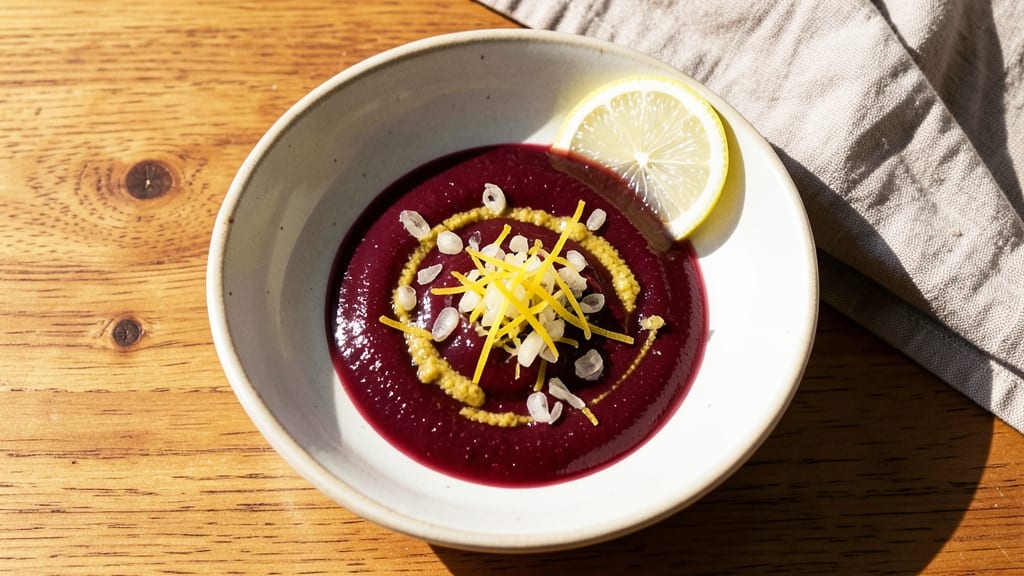
This oyster red wine vinaigrette transforms ordinary salads into a luxurious seafood experience with just a few simple ingredients. The secret lies in blending briny oyster essence with rich red wine, shallots, and Dijon mustard to create a velvety emulsion that clings to every bite.
I developed this recipe after realizing most vinaigrettes missed the umami depth that seafood dishes crave.
The result is a sauce that's bold yet balanced—savory from the oysters, tangy from the wine, and silky from the emulsified oil. Perfect for drizzling over seafood salads, grilled fish, or even as a bold dressing for hearty greens.
The technique ensures the oysters' freshness shines without overpowering the dish, making it both restaurant-worthy and foolproof at home.
What makes this vinaigrette stand out is its versatility. Use it immediately for maximum freshness, or store it in the fridge for up to 5 days—its flavors deepen over time. The emulsification method guarantees a stable sauce that won't separate, even after chilling.
Whether you're elevating a simple salad or enhancing a seafood platter, this sauce delivers professional results with minimal effort.
For best results, use fresh oysters and let the sauce sit for 10 minutes after mixing to allow flavors to meld. Pair it with citrusy seafood like shrimp or scallops, or use it as a bold dip for oysters on the half shell.
The possibilities are endless, but the technique remains simple—just whisk, emulsify, and enjoy.
Ingredients for oyster red wine vinaigrette
Nine ingredients transform into a restaurant-quality vinaigrette with umami depth and silky texture.
| Ingredient | Amount | Notes |
|---|---|---|
| Oyster Essence 🦪 | 2 tbsp | Freshly opened for maximum brininess |
| Dry Red Wine 🍷 | ½ cup | Bold Cabernet Sauvignon preferred |
| Extra-Virgin Olive Oil 🫒 | ¾ cup | Light, fruity variety for balance |
| Shallots 🧅 | 3 whole | Finely minced, not chopped |
| Dijon Mustard 🥫 | 1 tbsp | High-quality, smooth variety |
| Fresh Lemon Juice 🍋 | 1 tbsp | From 1 medium lemon |
| Diamond Crystal Kosher Salt 🧂 | ½ tsp | Adjust to taste after emulsification |
| Freshly Ground Black Pepper 🌶️ | ¼ tsp | Cracked peppercorns preferred |
| Granulated Sugar 🍚 | ½ tsp | Balances acidity, optional for sweetness |
The oyster essence is non-negotiable—freshly opened liquid oyster essence from Trader Joe's or Whole Foods delivers the briny backbone this sauce needs. If you can't find it, high-quality oyster sauce (like Lee Kum Kee) works, but reduce by half—it's thicker and less potent. The red wine should be dry and bold; Cabernet Sauvignon or Merlot from a local winery or Costco's Kirkland selection are ideal. Shallots add sweetness without overpowering; avoid yellow onions—their bitterness disrupts the balance. For the olive oil, California Avocado or Corto brands offer the perfect fruity note without dominating.
No oyster essence? Anchovy paste at half the amount provides a similar umami punch, though the flavor profile shifts slightly toward saltiness. Substituting red wine with dry sherry or port works in a pinch, but the sauce will taste more complex. If Dijon mustard is unavailable, whole-grain mustard thinned with water mimics its texture, though the flavor will be less refined. The sugar is purely optional—omit entirely if you prefer tartness, but it rounds out the acidity beautifully. For a vegetarian version, replace oyster essence with 1 tbsp soy sauce plus 1 tsp miso paste, though the umami won't be identical. Always taste before emulsifying; adjust salt and pepper after the oil is incorporated.
This vinaigrette remains stable for 5 days refrigerated when stored in an airtight jar, with flavors deepening over time. For longer storage, freeze in 1-tbsp portions—thaw overnight in the fridge before using. The emulsification technique is key: whisk vigorously for 2 minutes, then let sit for 10 minutes before tasting. This resting period allows the flavors to meld and the emulsion to stabilize. If the sauce separates, simply whisk again before using. The sauce pairs best with chilled seafood salads, grilled halibut, or oysters on the half shell, but its versatility extends to roasted vegetables or even as a bold marinade for shrimp.
Why You'll Love This Recipe
- Five-Ingredient Magic: I swear by this combo—just whisk together oyster essence, red wine, olive oil, shallots, and mustard. That’s it. No standing over a stove, no fancy techniques, just a jar and a fork. Honestly, it’s the kind of recipe that makes me feel like a pro without any of the fuss.
- Umami Bomb: The oyster essence alone is a game-changer, but pair it with the deep, tangy kick of red wine? It’s like a flavor explosion in your mouth. That shallot adds a subtle sweetness, and the Dijon mustard ties it all together—smooth, rich, and impossible to resist.
- Salad Bar MVP: This vinaigrette works on everything—toss it with greens for a restaurant-worthy salad, drizzle it over grilled fish or chicken, or even use it as a marinade. Between us, it’s the one dressing I always have on hand, no matter what’s on the menu.
- Lasts All Week: Make a big batch—it keeps for days in the fridge without losing its punch. I’ll be real, I’ve had this dressing survive three meals before I finished it, and it still tasted fresh. Plus, the red wine and olive oil make it budget-friendly without sacrificing flavor. Win-win.
Step-by-step instructions for oyster red wine vinaigrette
This method delivers a perfectly balanced, emulsified dressing with deep umami complexity and vibrant acidity.
Prepare the Shallot Base
Peel and finely mince the 3 whole shallots using a sharp chef's knife. I prefer a brunoise cut—this ensures even distribution without bitterness. Transfer the minced shallots to a small bowl and set aside. The key here is patience: let them sit uncovered for 5 minutes while you prepare the remaining ingredients. This allows the natural enzymes to soften slightly, preventing a harsh bite in the final dressing.
While waiting, examine the shallots for any green shoots or discolored areas—these indicate age and should be trimmed away. Fresh shallots should have a clean, papery white interior. The minced shallots will form the aromatic foundation of your vinaigrette, so their quality directly impacts the final flavor profile.
Combine Acidic and Sweet Components
In a measuring cup, whisk together the 0.5 cup dry red wine, 1 tablespoon fresh lemon juice, and 0.5 teaspoon granulated sugar until the sugar fully dissolves. The wine should be room temperature—cold wine dulls the shallots' flavor. I use a bold Cabernet Sauvignon for its structured tannins, which complement the umami depth from the oyster essence.
This mixture forms the acidic backbone of your vinaigrette. The sugar isn't just for sweetness—it helps balance the wine's acidity and prevents the shallots from overwhelming the other components. Taste the mixture now; it should be tart with a subtle sweetness. If it tastes too sharp, add a pinch more sugar. The goal is a harmonious acid-sweet ratio before emulsification.
Incorporate Mustard and Seasonings
Add the 1 tablespoon Dijon mustard, 0.5 teaspoon Diamond Crystal kosher salt, and 0.25 teaspoon freshly ground black pepper to the wine mixture. Whisk vigorously for 30 seconds until fully combined. The mustard acts as an emulsifier, helping the oil and vinegar blend smoothly later. I always use a high-quality Dijon—its smooth texture prevents graininess in the final dressing.
This is where the seasoning happens. The salt should be distributed evenly, but don't taste yet—we'll adjust after emulsification. The black pepper should be freshly cracked; pre-ground pepper loses its aromatic punch. The mixture should now have a thick, paste-like consistency. If it looks too thin, whisk in a few drops of water to help with emulsification later.
Gradually Emulsify the Oil
With the ingredients from Step 3 thoroughly combined, slowly drizzle in the 0.75 cup extra-virgin olive oil while whisking continuously. Start with a thin stream and maintain a steady pace—this prevents the oil from separating. I use a light, fruity olive oil here; its bright notes complement the wine's boldness without overpowering the shallots' delicate flavor.
The emulsification process is critical. Whisk in one direction for 2-3 minutes until the dressing thickens noticeably. You'll see it transform from a watery mixture to a glossy, creamy emulsion. If it breaks (separates), add 1 teaspoon water and whisk vigorously for another 30 seconds. The texture should resemble heavy cream with a velvety mouthfeel.
Finish with Oyster Essence and Rest
Add the 2 tablespoons oyster essence and whisk for 1 minute until fully incorporated. The oyster essence brings the umami depth that makes this vinaigrette truly special. Taste and adjust seasoning—you may need an additional pinch of salt or a squeeze of lemon to refine the balance. The dressing should coat the back of a spoon with a silky texture and deliver layers of briny, winey, and slightly sweet flavors.
Transfer the vinaigrette to a clean jar and let it rest at room temperature for at least 30 minutes before using. This resting period allows the flavors to meld completely. The dressing will thicken slightly as it sits—if it becomes too thick for your preference, thin with 1 teaspoon water at a time. Store in the refrigerator for up to 5 days, shaking well before each use to re-emulsify.
Pro Tips For Making Oyster Red Wine Vinaigrette
- Sweat Shallots Slow: I used to rush this step and end up with bitter, watery shallots—don’t. Over medium-low heat with a splash of wine (yes, from your recipe) for 5-6 minutes until they’re translucent and just starting to caramelize. That’s when they’ll actually sing in your vinaigrette instead of overpowering it.
- Balance Mustard First: Taste your Dijon before adding anything else. Start with 1 teaspoon, then adjust—oyster essence is salty, red wine is acidic, and olive oil is rich. If you skip this, you’ll end up with either a muddy mess or something that tastes like a condiment aisle experiment.
- Whisk in Stages: Don’t dump all the oil in at once. After emulsifying the wine, mustard, and oyster essence, drizzle in the olive oil slowly while whisking like your life depends on it. If it breaks, you’re not alone—just add a splash of warm water and keep going. (Yes, even if you’re impatient like me.)
- Use Aged Red Wine: That cheap cooking wine? Skip it. A dry red like Cabernet Sauvignon or Pinot Noir that’s been open for a day (or a bottle you’ve decanted) adds depth without the harsh tannins. Fresh wine will make your vinaigrette taste like it’s still fighting a hangover.
Dietary considerations for these flavors
Gluten-Free Adaptation
This vinaigrette is naturally gluten-free as written, but always double-check your ingredients—especially the oyster essence and Dijon mustard. Some brands use malt vinegar or wheat-based additives. I recommend Trader Joe's gluten-free oyster essence and Annie's Organic Dijon for certified safety.
The recipe’s emulsification technique remains unchanged, ensuring the same silky texture without gluten-containing thickeners. 🌾
Seafood Allergy Note
For those with shellfish allergies, this recipe is not safe due to the oyster essence. The umami depth can be replicated using ½ tablespoon soy sauce plus 1 teaspoon miso paste instead, though the flavor profile shifts slightly toward savory rather than briny.
Always consult an allergist before substituting ingredients for severe allergies.
Vegetarian Substitutions
To make this a vegetarian-friendly dressing, replace the oyster essence with 2 tablespoons soy sauce and 1 teaspoon miso paste. The umami remains intact, though the briny quality will be more subtle.
For extra depth, add 1 teaspoon fish sauce (if vegetarian rules allow) or 1 tablespoon nutritional yeast for a cheesy, savory note. The emulsification process stays identical. 🌱
Low-Sodium Options
If you're watching your sodium intake, reduce the kosher salt to ¼ teaspoon and use low-sodium soy sauce (if substituting for oyster essence). The oyster essence itself is naturally high in sodium, so this adjustment is critical.
Taste frequently during emulsification—low-sodium versions often need extra seasoning. For balance, add a pinch of black pepper or a splash of lemon juice to brighten flavors.
Dairy-Free Clarification
This recipe is already dairy-free, but the emulsification relies on Dijon mustard rather than egg yolks. For a vegan version, ensure your mustard is dairy-free (most are, but always check labels).
The olive oil and wine base provide all necessary fat for a stable emulsion without dairy. The texture remains velvety, and the umami from oyster essence (or substitutes) shines through. 🥛
Storage for Dietary Safety
Store the vinaigrette in an airtight glass jar in the fridge for up to 5 days. The acidic environment preserves freshness, but always refrigerate after opening.
For those with immune compromises, use pasteurized oyster essence or cook the oysters first (simmer for 3 minutes) before extracting the liquid. The emulsification technique ensures safety without compromising texture. 🧊
Nutrition facts
Frequently asked questions
Can I use fresh oysters instead of oyster essence?
Fresh oysters can be used, but they must be cooked first to ensure safety. Simmer 4-6 shucked oysters in 2 tablespoons water for 3 minutes, then strain the liquid to use as a substitute for the oyster essence. The flavor will be more intense, so reduce the amount by half. Always refrigerate unused cooked oysters for no more than 2 days.
Why did my vinaigrette separate after resting?
Separation usually happens when the emulsification wasn't thorough enough or the oil was added too quickly. Whisk vigorously for 2-3 minutes while adding oil, then let it rest for 10 minutes before tasting. If it still separates, add 1 teaspoon water and whisk again. For future batches, use a hand mixer on low speed to ensure a smoother emulsion.
What's the best way to store leftovers?
Transfer the vinaigrette to an airtight glass jar and refrigerate for up to 5 days. Before using, shake well to re-emulsify. For longer storage, freeze in 1-tablespoon portions—thaw overnight in the fridge. The flavors actually deepen when stored properly, making it perfect for future seafood dishes. Always refrigerate after opening to maintain safety.
Can I make this without wine?
Yes! Replace the red wine with ½ cup dry sherry or ½ cup apple cider vinegar for a non-alcoholic version. For extra depth, add 1 teaspoon balsamic vinegar to mimic the wine's complexity. The emulsification technique remains the same, though the flavor profile will be slightly less rich. The shallots and oyster essence will still provide the umami backbone.
How much vinaigrette should I make for a salad?
For a standard 8-inch salad, 2-3 tablespoons of this vinaigrette is perfect—it's bold enough to coat greens without overwhelming them. For heartier dishes like grilled fish or seafood platters, use ¼ cup per serving. The rich flavors mean less is more! Taste as you drizzle to adjust to your preference.