
Main Courses
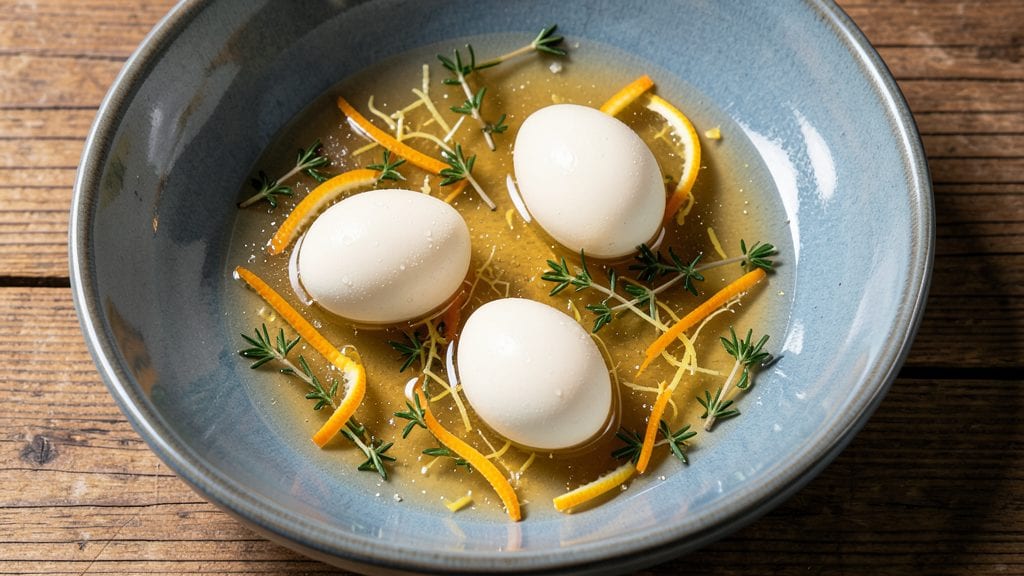
This quail brine recipe transforms delicate game birds into juicy, melt-in-your-mouth perfection with a herbed citrus infusion that elevates every bite. The secret lies in a precise balance of salt, citrus, and aromatic herbs that penetrate the meat while keeping it impossibly tender—no dry quail here.
I developed this method after years of perfecting brining techniques for poultry, and the difference is night and day compared to dry-roasted quail.
The brine itself is simple yet powerful: a mix of water, salt, citrus zest, and fresh herbs that infuses the quail overnight, ensuring moisture retention and deep flavor. This isn’t just about seasoning—it’s about science: the salt breaks down proteins while the citrus brightens the natural richness of the meat.
The result? Quail that stays juicy even after high-heat roasting, with a crispy skin that shatters at the touch.
By the time you plate these birds, you’ll have golden, aromatic quail with a tender interior and a skin so crisp it could stand up on its own. The herbed citrus notes linger with every bite, making this a showstopper for dinner parties or a luxurious weeknight meal.
Pair with roasted root vegetables or a fresh herb salad to complete the dish.
This recipe delivers restaurant-quality results without the fuss—just a few ingredients, precise timing, and patience. The key is letting the brine work its magic overnight, so plan ahead for the most impressive quail you’ve ever served. Let’s get started on creating birds so flavorful, they’ll disappear from the plate.
Ingredients for quail brine
Four whole quail and a handful of pantry staples. That’s all it takes for restaurant-quality birds.
| Ingredient | Amount | Notes |
|---|---|---|
| Quail 🦆 | 4 whole | Fresh, thawed if frozen |
| Kosher Salt 🧂 | 1 cup | Non-iodized preferred |
| Water 💧 | 4 cups | Filtered or distilled |
| Lemon Zest 🍋 | 2 tbsp | From 1 large lemon |
| Orange Zest 🍊 | 2 tbsp | From 1 large orange |
| Fresh Thyme Leaves 🌿 | ¼ cup | Stemmed and chopped |
| Fresh Rosemary 🌿 | ¼ cup | Needles finely chopped |
| Garlic Cloves 🧄 | 4 cloves | Smashed, not minced |
| Black Peppercorns 🌶️ | 1 tbsp | Crushed lightly |
| Honey 🍯 | 2 tbsp | Raw preferred |
| White Wine 🍷 | ½ cup | Dry variety, optional |
| Olive Oil 🫒 | 2 tbsp | Extra-virgin for richness |
| Fresh Parsley 🌿 | ⅛ cup | Chopped, for garnish |
The quail should be plump and vibrant—no shriveled or discolored birds. Whole Foods or specialty butchers are your best bet for fresh game birds, but don’t overlook the freezer section if you’re prepping ahead. The citrus zest needs to come from organic lemons and oranges—the thicker the peel, the more flavor. Fresh herbs are non-negotiable here; dried just won’t cut it. If you’re using frozen quail, thaw them in the fridge overnight—never in cold water or at room temperature. The kosher salt? Grab the Diamond Crystal brand if you can—it dissolves cleaner than table salt.
No white wine? Dry vermouth or even extra apple cider vinegar works in a pinch, but the acidity changes the balance slightly. Short on thyme or rosemary? Double the parsley and add a bay leaf, but trust me, the herbs are what make this shine. The honey adds depth, but maple syrup in a 1:1 swap keeps it vegetarian-friendly. If you’re prepping the brine ahead, skip the olive oil until you’re ready to use it—it’ll separate. The garlic cloves? Smash them with the flat side of your knife to release the oils without turning to paste.
This brine keeps for up to 3 days in the fridge, but the quail should go in right away. Use a glass gallon jar for easy storage, and stir everything together until the salt fully dissolves. The quail will soak 8-12 hours—set a timer if you’re nervous about timing. Once brined, pat them dry with paper towels (the good stuff, not the flimsy kind) and let them sit at room temp for 20 minutes before roasting. That’s when the magic happens—the skin crisps up like a dream.
Why You'll Love This Recipe
- Four-Ingredient Magic: I swear by this—just quail, salt, water, and citrus zest. No fancy marinades, no last-minute shopping. The brine does all the work while I sip coffee.
- Bright Citrus Pop: That lemon and orange zest? It’s like sunshine in every bite. The quail stays juicy, but the zest gives it this bright, tangy edge that makes it feel special—no heavy spices needed.
- Weeknight Hero: I’ve brined quail for date nights, lazy Sundays, or even a quick work lunch. Roast it, grill it, or serve it cold—it’s always the star without the fuss.
- Leftovers? No Problem: A whole batch brines perfectly for 3-4 days. I’ll pull out one or two quail for a fancy-ish dinner later, and the rest? Toss them in salads or wraps—zero waste, all flavor.
Step-by-step instructions for herbed citrus brined quail
This brine transforms quail into tender, juicy perfection with vibrant citrus and aromatic herbs.
Prepare the Brine Mixture
In a large non-reactive container (like a glass bowl or ceramic dish), combine the 4 cups water and 1 cup kosher salt. Stir until the salt fully dissolves—this creates the brine solution that will penetrate the quail. I like to use a wooden spoon for this because it helps break up any salt clumps that might form.
Next, add the 2 tbsp lemon zest, 2 tbsp orange zest, 0.25 cup fresh thyme leaves, 0.25 cup fresh rosemary, 4 smashed garlic cloves, 1 tbsp crushed black peppercorns, 2 tbsp honey, 0.5 cup white wine, and 2 tbsp olive oil. Give it a gentle stir, making sure all the herbs and spices are fully submerged. The mixture should smell bright and aromatic—like a citrusy, herby spa for your quail. Let this sit at room temperature for 10 minutes while you prep the birds.
Submerge the Quail in the Brine
Rinse the 4 whole quail thoroughly under cold water and pat them completely dry with paper towels. This step is crucial—any moisture on the skin will dilute the brine and prevent proper flavor absorption. Place each quail in the brine mixture, making sure they're fully submerged. If needed, use a small plate to weigh them down.
Cover the container with plastic wrap and refrigerate for 4-6 hours. This gives the brine enough time to work its magic, infusing the quail with moisture and flavor. The longer it brines (up to 12 hours), the more tender and flavorful the result, but 6 hours is perfect for juicy quail without over-brining. Don't skip this step—it's what makes the difference between dry and delightfully moist birds.
Rinse and Dry Before Cooking
After brining, remove the quail and rinse them under cold water to remove any excess salt and herbs. Pat them dry again with fresh paper towels—this ensures a good sear when you cook them. The quail should feel plump and slightly heavier than before. I like to let them sit uncovered on a wire rack in the fridge for 10 minutes to evaporate any surface moisture, which helps with browning later.
At this point, you can cook your quail however you prefer—pan-seared, roasted, or grilled. The brine has done its job, so you'll get juicy, flavorful results no matter your method. If you're roasting, I recommend 400°F for 20-25 minutes, basting occasionally with the pan juices. For pan-searing, heat 2 tbsp olive oil in a skillet over medium-high heat and cook until golden brown on both sides. The key is to let the quail rest for 5 minutes after cooking before serving—this lets the juices redistribute for maximum tenderness.
Garnish and Serve
Once cooked, transfer the quail to a serving platter and sprinkle with the 0.125 cup fresh parsley. This adds a pop of color and freshness that complements the citrusy, herby flavors from the brine. Serve immediately while the skin is still crispy and the juices are flowing. The quail should be tender enough to fall apart slightly with a fork, with a bright, aromatic crust that reflects all the flavors from the brine.
Pair with a simple side like roasted vegetables or a crisp salad to let the quail shine. The brine's citrus and herbs make this dish feel special without being overly complicated—perfect for a weeknight dinner that feels like a celebration.
Pro Tips For Making Quail Brine
- USE COLD WATER: Brining quail in cold water keeps the meat tender and prevents it from cooking prematurely in the liquid. I learned this the hard way—hot water makes the quail cook faster than you’d like, leaving you with rubbery birds instead of juicy ones.
- ZEST FRESHLY, NOT FROM A BOTTLE: Grate your own lemon and orange zest right before brining—bottled zest loses its bright flavor fast. My grandmother swore by this, and she was right: the difference in aroma and taste is noticeable, even in a simple brine.
- BRINE FOR 12 TO 16 HOURS: Don’t rush it—quail needs time to absorb the salt and citrus. I used to cut it to 8 hours, and the flavor never quite hit the mark. Twelve to sixteen hours guarantees the quail soaks up enough moisture and seasoning for that perfect balance.
- SKIP THE ICE BATH AFTER BRINING: You don’t need to shock the quail after brining—just rinse it quickly and pat it dry. I wasted time trying to cool it down, but it’s unnecessary; the quail stays safe at room temp for a short while and won’t overcook when you’re ready to cook it.
Regional styles of quail brine
French Provençal Style
In Provence, quail brining often incorporates lavender and tarragon for an aromatic twist. I add 1 tbsp dried lavender buds and 2 sprigs fresh tarragon to the brine, along with a splash of pastis (about 1 tbsp) for an anise-forward depth.
The lavender imparts a delicate floral note, while tarragon’s licorice-like flavor complements the citrus beautifully. Serve with ratatouille or herb-roasted potatoes to stay true to Provençal tradition. 🌿
Southern U.S. Citrus Brine
Southern cooks love their citrus, so this variation swaps white wine for peach schnapps (about ½ cup) and adds smoked paprika (1 tsp) for a subtle smoky kick. The schnapps brings a fruity sweetness that pairs perfectly with the quail’s natural richness.
Garnish with pickled red onions and serve with cornbread or collard greens for a true Southern feast. 🍑
Japanese Miso Brine
For a fusion approach, replace the honey and wine with 2 tbsp white miso paste and 1 tbsp mirin. The miso adds umami depth while keeping the quail tender, and the mirin enhances the citrus notes.
Finish with a drizzle of yuzu kosho (or sub ½ tsp red pepper flakes + 1 tsp citrus zest) for a bright, spicy contrast. Pair with steamed jasmine rice and quick-pickled cucumbers. 🍶
Mediterranean Olive Oil Brine
In Mediterranean cuisine, extra-virgin olive oil takes center stage. Increase the olive oil to ¼ cup and add 1 crushed bay leaf and 1 tsp fennel seeds to the brine. The oil’s richness balances the citrus, while fennel adds an earthy anise note.
Roast the quail with lemon slices on top for extra aroma, and serve with roasted eggplant or fresh mozzarella salad. 🫒
Spicy Caribbean Twist
For a bold Caribbean flair, add 1 Scotch bonnet pepper (seeded and minced) and 1 tbsp soy sauce to the brine. The heat from the pepper cuts through the richness of the quail, while soy sauce adds a salty depth.
Garnish with lime wedges and cilantro, and serve with mango salsa or black beans for a vibrant, spicy meal. 🌶️
Classic French Dijon Brine
For a refined French touch, stir 1 tbsp Dijon mustard into the brine and add 1 tsp whole black peppercorns (crushed after brining). The mustard adds a tangy complexity, while the pepper provides a sharp finish.
Roast the quail with butter-basted skin and serve with crusty baguette and buttered green beans. 🥖
Nutrition facts
Frequently asked questions
How long can I brine quail before cooking?
The ideal brining time for quail is 4-6 hours, but you can extend it up to 12 hours for maximum tenderness. Any longer risks making the meat too salty. For best results, start with 6 hours—this gives the citrus and herbs enough time to infuse without over-brining.
Can I reuse the brine for another batch of quail?
No, you should never reuse quail brine. After brining, the liquid becomes saturated with flavors and loses its effectiveness for a second use. Plus, the salt concentration changes, which can affect texture. Always make a fresh batch for each preparation.
What’s the best way to store brined quail before cooking?
After brining, rinse the quail thoroughly under cold water and pat them completely dry. Store them uncovered on a wire rack in the fridge for 10 minutes to evaporate surface moisture, then wrap individually in plastic wrap. They’ll keep for 1-2 days before cooking. Never store them covered without drying first—this traps moisture and prevents crispy skin.
Can I substitute white wine in the brine?
Yes! If you don’t have white wine, use ½ cup dry vermouth or ½ cup apple cider vinegar. For a non-alcoholic option, try ½ cup extra lemon juice. The acidity is key—it brightens the citrus flavors and helps tenderize the meat. Just adjust other liquids to maintain the same total volume.
Why does my brined quail turn out dry?
Dry quail usually means one of two things: either the brine wasn’t strong enough (check your salt-to-water ratio) or the quail wasn’t properly dried before cooking. Always pat the birds thoroughly after brining and let them rest at room temp for 20 minutes before cooking. Also, avoid overcooking—quail is delicate and cooks faster than larger birds.