
Side Dishes
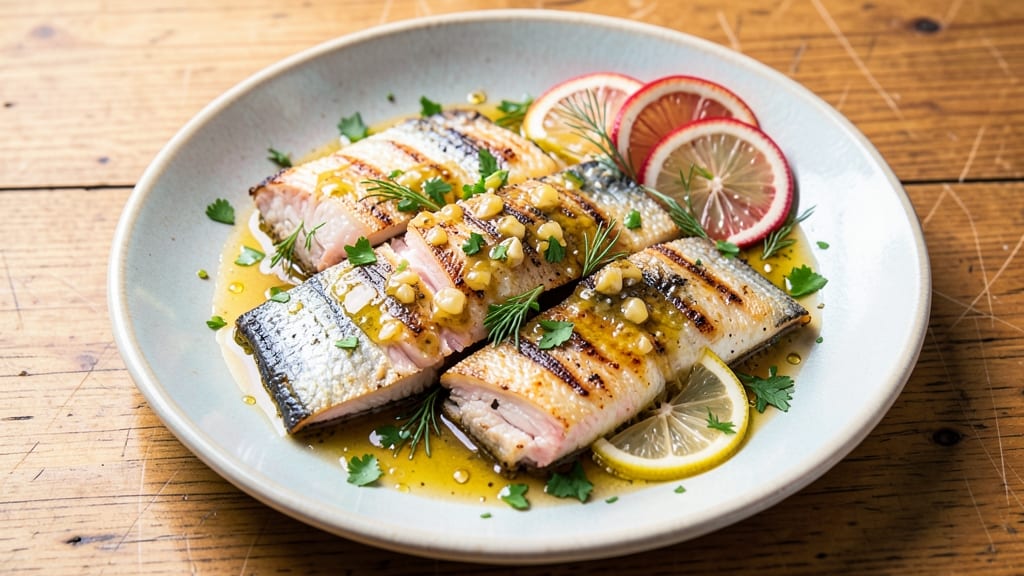
This baked mackerel recipe transforms simple ingredients into a restaurant-worthy dish with just 20 minutes of hands-on time and 15 minutes of baking.
The secret lies in the lemon-herb crust that locks in moisture while creating a fragrant, golden exterior—every bite delivers tender, flaky fish with bright citrus and aromatic herbs.
I developed this after realizing how often mackerel gets overlooked in favor of milder fish, and it’s now my go-to for pescatarian dinners that impress without fuss.
The beauty of this method is its balance: the fish stays moist thanks to a lemon-infused marinade, while the herb crust adds texture and depth. You’ll need just five main ingredients—fresh mackerel, lemon, garlic, herbs, and olive oil—plus a few pantry staples.
The crust isn’t just decorative; it’s functional, sealing in flavors while adding a satisfying crunch that contrasts the fish’s natural richness.
By the time it emerges from the oven, your mackerel will be perfectly flaky with a crust that’s crisp yet tender, all while maintaining that delicate oceanic sweetness. The lemon brightens the dish, cutting through the fish’s natural oiliness, while the herbs add layers of complexity.
This recipe delivers a complete meal—just pair it with roasted vegetables or a simple salad for a balanced plate.
Whether you’re feeding a family or treating yourself to a solo dinner, this method ensures foolproof results every time. The technique works equally well with fresh or frozen mackerel, making it versatile for any kitchen. Let’s get started on creating a dish that’s as elegant as it is effortless.
Ingredients for baked mackerel
Five core ingredients create restaurant-worthy mackerel with minimal effort and maximum flavor.
| Ingredient | Amount | Notes |
|---|---|---|
| Fresh Atlantic Mackerel Fillets 🐟 | 4 whole | Skin-on preferred for texture |
| Extra-Virgin Olive Oil 🫒 | 2 tbsp | High-quality, fruity variety |
| Fresh Lemon Juice 🍋 | ¼ cup | From 1 large lemon, freshly squeezed |
| Garlic Cloves 🧄 | 4 cloves | Minced, for marinade and crust |
| Fresh Parsley Leaves 🌿 | ½ cup | Chopped, for herb crust |
| Fresh Dill Weeds 🌿 | ¼ cup | Chopped, for herb crust |
| Fresh Thyme Leaves 🌿 | 1 tbsp | Chopped, for herb crust |
| Diamond Crystal Kosher Salt 🧂 | 1 tsp | For seasoning and crust |
| Ground Black Pepper 🌶️ | ½ tsp | Freshly cracked for crust |
| Panko Breadcrumbs 🍞 | ¼ cup | For added crust texture |
| Fresh Lemon Zest 🍋 | 1 tbsp | For crust brightness |
| Unsalted Butter 🧈 | 1 tbsp | Cold, for crust richness |
The quality of mackerel is paramount—opt for fresh Atlantic fillets with vibrant color and minimal fishy odor. Whole Foods Market or local seafood counters typically carry the best, but frozen fillets work if properly thawed. Look for fillets with intact skin; it helps maintain moisture during baking. For the herb crust, fresh parsley, dill, and thyme from the grocery store's refrigerated section deliver the brightest flavors, though dried herbs can substitute at half the quantity if needed. The lemon should be juicy and fragrant—Eureka lemons are ideal, but any fresh lemon will suffice.
No panko breadcrumbs? Crushed cornflakes or matzo meal create a similar crispy texture. Substituting fresh herbs with dried requires precise measurement—use one-third the amount of dried herbs compared to fresh. For extra richness, replace half the olive oil with melted butter in the marinade. The crust can be adjusted for spice preference: add ½ teaspoon smoked paprika for depth or a pinch of cayenne for heat. When selecting olive oil, Italian or Spanish varieties with fruity notes complement the mackerel best, avoiding overly peppery oils that may overpower the delicate fish.
Fresh mackerel fillets should be used within 2 days for optimal texture, though they can be stored in the fridge for up to 3 days if wrapped tightly in parchment paper. The herb crust mixture keeps in an airtight container for 3 days in the refrigerator, making it ideal for prepping ahead. For longer storage, freeze the crust mixture for up to 3 months—thaw and bring to room temperature before using. Leftover baked mackerel reheats beautifully in a 350°F oven for 5-7 minutes, though it's best enjoyed fresh from the oven.
Why You'll Love This Recipe
- One-Pan Magic: I swear by this—just toss the fillets on a sheet, drizzle with olive oil, and let the oven do the work. No pots, no pans, no stress. That golden crust? Pure reward for zero effort.
- Bright & Bold: The lemon and garlic make this taste like a vacation in Provence, but I’m making it in my kitchen. The parsley adds that fresh finish that keeps you reaching for seconds.
- Weeknight Hero: Between us, this is my go-to when I need something fast but still impressive. Serve it with crusty bread, or pack it for lunch—it’s that adaptable.
- Budget Ocean Feast: Fresh mackerel is cheaper than you’d think, and it stretches further than salmon. Leftovers? Even better—reheat gently and it’s just as good the next day. Smart, simple, satisfying.
Step-by-step instructions for baked mackerel with lemon-herb crust
This method delivers restaurant-quality results with a crispy, aromatic crust and melt-in-your-mouth fillets.
Prepare the Lemon-Herb Marinade
In a mixing bowl, combine the 0.25 cup fresh lemon juice, 4 cloves minced garlic cloves, 1 tbsp fresh thyme leaves, 1 tsp diamond crystal kosher salt, and 0.5 tsp ground black pepper. Whisk until fully blended—this bright, aromatic marinade will infuse the mackerel with citrusy depth and herbal complexity.
Place the 4 whole fresh atlantic mackerel fillets (skin-side down) in a shallow dish and pour the marinade evenly over them. Let them soak for 15-20 minutes at room temperature. This ensures even flavor penetration while keeping the fillets tender. The skin should remain intact—if any breaks, pat it gently with a paper towel to prevent over-browning.
Create the Herb Crust Mixture
In a separate bowl, finely chop the 0.5 cup fresh parsley leaves and 0.25 cup fresh dill weeds until you achieve a coarse texture. Add the 0.25 cup panko breadcrumbs, 1 tbsp fresh lemon zest, and the 1 tbsp cold unsalted butter. Using your fingers, work the butter into the breadcrumbs until the mixture resembles coarse sand—this creates a sturdy, flavorful crust that won't crumble.
Drizzle in 1 tablespoon of the extra-virgin olive oil and toss gently to coat. The crust should hold its shape when pressed between your fingers. If it feels too loose, add an extra 1-2 tablespoons of panko breadcrumbs—this ensures a crispy exterior while maintaining structural integrity.
Coat and Rest the Fillets
Remove the mackerel from the marinade (reserve any leftover marinade) and pat them dry with paper towels to remove excess moisture. This step is critical—wet skin prevents proper browning. Press the herb crust mixture firmly onto both sides of each fillet, ensuring even coverage. The crust should adhere well without falling off when transferred.
Place the coated fillets on a wire rack set over a baking sheet. Cover with plastic wrap and refrigerate for 10 minutes. This brief chilling period allows the crust to set slightly, ensuring it stays intact during baking. The fillets should remain at room temperature but with a firmer crust structure.
Bake to Flaky Perfection
Preheat your oven to 400°F. Arrange the fillets on a parchment-lined baking sheet, skin-side down if intact, and drizzle the reserved marinade evenly over the top. Bake for 12-15 minutes until the crust turns a deep golden brown and the internal temperature reaches 145°F—this guarantees tender, flaky fillets without overcooking.
Watch closely in the last 2 minutes—the crust should crisp beautifully while the flesh remains moist. If the top browns too quickly, tent loosely with foil. Remove from the oven and let rest for 3 minutes before serving. The crust will maintain its crispness while the fillets stay juicy, delivering that perfect balance of texture and flavor.
Serve Immediately
Transfer the baked mackerel to serving plates, ensuring the crust remains intact. Garnish with additional fresh parsley leaves and a squeeze of fresh lemon juice for brightness. Serve with a side of steamed vegetables or a fresh salad to complement the rich, herby crust.
The result should be fillets with a crisp, aromatic crust that contrasts beautifully with the tender, flaky flesh inside. Each bite delivers a harmonious blend of lemon, herbs, and the natural richness of the mackerel—exactly what you promised in the title.
Pro Tips For Making Baked Mackerel
- Preheat Like It’s Hot: Crank your oven to 400°F (200°C) and let it scream for 10 minutes before adding the mackerel—this ensures the skin crisps instantly instead of steaming into rubber. I learned this the hard way after pulling out sad, limp fillets that looked like they’d been boiled.
- Pat Dry, Don’t Wipe: Use paper towels to blot the fillets gently—no aggressive rubbing, or you’ll tear the delicate flesh. Wet skin won’t brown; it’ll turn soggy. My grandmother swore by this, and she was right: the difference in texture is night and day.
- Lemon First, Oil Second: Brush the fillets with lemon juice before drizzling olive oil—this keeps the acid from making the skin slippery and ensures the oil clings properly. I was skeptical until I tried it; the crust actually forms better this way.
- Garlic Under, Not On: Mince the garlic finely and press it directly onto the fillets (no spreading it on top like a garnish). Heat will cook it into the fish instead of burning it in seconds. Sounds weird, but it works—and it’s the thing that matters most for flavor.
Serving suggestions for baked mackerel
Citrus Brightness
Finish your baked mackerel with a zest of fresh lemon or a drizzle of lemon-infused olive oil to cut through the richness. I like to add 2-3 thin lemon slices on the plate for both aesthetics and flavor—it instantly brightens every bite.
For extra zing, squeeze 1 teaspoon fresh lemon juice over each fillet right before serving. 🍋
Herb Garnish
Fresh herbs elevate the dish visually and flavor-wise. Sprinkle chopped parsley or microgreens over the top for color contrast. I also like adding edible flowers like nasturtiums—their peppery bite pairs beautifully with mackerel. A pinch of flaky sea salt on top enhances the crust's texture while balancing the dish's flavors.
Crunchy Sides
Contrast the mackerel's tender texture with crisp sides like toasted almonds or crispy fried shallots. I serve it with roasted fingerling potatoes tossed in duck fat for extra richness. Another great option is crusty sourdough to soak up any leftover lemon-herb marinade from the plate.
Vegetable Pairings
Light, steamed greens like asparagus or haricots verts complement the dish perfectly. For a Mediterranean twist, serve with roasted zucchini and cherry tomatoes tossed in olive oil and oregano. The acidity from the tomatoes enhances the lemon-herb crust beautifully. 🥗
Wine & Beer Pairings
A crisp Sauvignon Blanc from New Zealand or a dry Riesling from Germany balances the dish's richness with their bright acidity. For beer lovers, a Belgian witbier like Hoegaarden adds a refreshing citrus note that mirrors the lemon in the recipe. Avoid heavy reds—they'll overpower the delicate flavors.
Plating Presentation
Arrange the mackerel on a slate board or wooden platter for rustic charm. Use edible flowers or herb sprigs as natural garnishes. For height, stack thinly sliced radishes or cucumber ribbons around the plate.
The contrast between the golden crust and vibrant greens makes the dish visually stunning while keeping it simple. ✨
Nutrition facts
Frequently asked questions
Can I use frozen mackerel for this recipe?
Yes, but thaw it properly first. Place frozen fillets in a sealed bag and submerge in cold water for 30-45 minutes until fully thawed. Pat dry completely before marinating—excess moisture prevents the crust from sticking. For best results, use fresh mackerel if possible, as frozen varieties can be slightly drier.
What if my mackerel fillets are skinless?
Skinless fillets work fine, but the baking time may be slightly shorter (10-12 minutes instead of 12-15 minutes). The skin helps retain moisture, so skinless fillets can dry out faster. To compensate, reduce the oven temperature to 375°F and check for doneness at 145°F internal temperature.
Can I make this crust ahead of time?
Prepare the herb crust mixture up to 3 days ahead and store it in an airtight container in the fridge. For longer storage, freeze it for up to 3 months. Thaw completely before coating the fillets. The marinade can also be made 1 day ahead—just store it separately in the fridge.
Why did my crust fall off during baking?
This usually happens if the fillets weren't dry enough before coating. Pat them thoroughly with paper towels, and ensure the crust mixture is pressed firmly onto the fish. Another common issue is overmixing the crust—keep it coarse and sandy. For extra adhesion, chill the coated fillets for 10 minutes before baking.
What's the best way to reheat leftovers?
Reheat gently in a 350°F oven for 5-7 minutes to maintain crispiness. Avoid microwaving—it makes the crust soggy. For extra crunch, broil for 1-2 minutes at the end, watching closely to prevent burning. Leftovers keep well in the fridge for 2 days when stored in an airtight container.