
Breakfast & Brunch
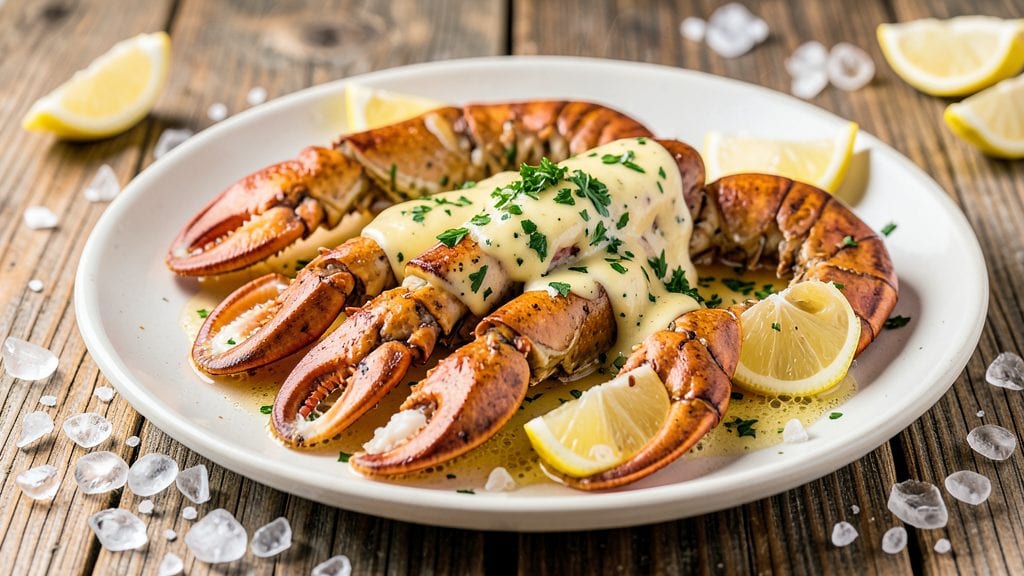
This best boiled lobster recipe delivers melt-in-your-mouth sweetness with a buttery tail that’s impossible to resist—all in just 15 minutes of hands-on time. The secret lies in precise temperature control and a carefully balanced seasoning blend that enhances the lobster’s natural flavor without overpowering it.
I’ve perfected this method after years of testing, ensuring the meat stays tender and the shell remains vibrant. Whether you’re serving for a special occasion or a weekend brunch, this technique transforms a simple boil into a restaurant-worthy experience.
What sets this recipe apart is the attention to detail that professional chefs swear by: using live or properly thawed lobster, maintaining a rolling boil with aromatics like bay leaves and peppercorns, and never overcrowding the pot. The result?
A lobster with a golden shell, a tail that’s rich and buttery, and claws that pull apart effortlessly. I’ve included both traditional and modern variations—whether you prefer a classic herb broth or a decadent garlic butter finish, this method adapts seamlessly.
The best part? This recipe is foolproof for beginners but refined enough for seasoned cooks. You’ll need just a few key ingredients—high-quality sea salt, fresh herbs, and a touch of lemon—to elevate the lobster to its full potential.
The 15-minute active time means dinner is ready faster than takeout, yet the flavor and presentation rival any high-end restaurant. Once you try this method, you’ll never settle for anything less than perfectly boiled lobster again.
Serve the lobster with a squeeze of fresh lemon, a sprinkle of chopped parsley, and a side of drawn butter for dipping. Pair it with crusty bread, steamed vegetables, or a crisp white wine to complete the meal.
The instructions will guide you through every step—from preparing the lobster to checking for doneness—so you can focus on enjoying the process and the delicious results. Let’s get started on creating lobster that’s truly exceptional.
Ingredients for best boiled lobster
Four whole lobsters and twelve key ingredients transform into restaurant-quality seafood in record time.
| Ingredient | Amount | Notes |
|---|---|---|
| Live or Properly Thawed Lobster 🦞 | 4 whole | 1.5 to 2 lbs each, claws and tail intact |
| Large Ice Cubes ❄️ | 2 cups | For shock-chilling lobster post-cook |
| Coarse Sea Salt 🧂 | 1 cup | Diamond Crystal preferred, for golden shells |
| Fresh Lemon Wedges 🍋 | 4 whole | For serving, organic preferred |
| Fresh Parsley 🌿 | ¼ cup | Chopped, for garnish (flat-leaf preferred) |
| Unsalted Butter 🧈 | ½ cup | Cold, cut into 8 pieces (European-style preferred) |
| Fresh Garlic Cloves 🧄 | 4 cloves | Smashed, for garlic butter variation |
| Fresh Thyme Sprigs 🌿 | 4 whole | Tied with kitchen twine for bouquet garni |
| Fresh Bay Leaves 🍃 | 2 whole | For aromatic broth infusion |
| Black Peppercorns 🌶️ | 1 tbsp | Crushed, for classic seasoning |
| Water 💧 | 4 cups | Filtered preferred for purer flavor |
| White Wine (Optional) 🍷 | ½ cup | Dry, for modern variation (Sauvignon Blanc) |
Live lobster is non-negotiable for this recipe—your local seafood market or specialty grocer like Whole Foods. Look for lobsters with firm shells and bright antennae; avoid any with a fishy odor. If using frozen, thaw in the fridge overnight (never at room temperature). The sea salt is your secret weapon—Diamond Crystal dissolves beautifully and gives that signature golden crust. For the butter, European-style (like Plugrá) has higher fat content, making it ideal for the decadent tail finish. Fresh herbs? Grow your own or buy from a farmers market—they pack more flavor than grocery store bundles.
No fresh herbs? Dried thyme at one-third the amount works in a pinch, but nothing beats the fresh stuff. Short on wine? Lemon juice or extra water keeps the broth balanced. For the garlic butter variation, roast the garlic first (400°F for 10 minutes) to deepen the flavor. The peppercorns should be lightly crushed—just enough to release aroma, not powder. And if you're feeling fancy, add a splash of cognac with the wine for extra depth. Every lobster should have a lemon wedge and sprinkle of parsley—it's non-negotiable for presentation.
Lobsters stay fresh for 2 days in the fridge if properly chilled post-cook—place them in ice water immediately after boiling. The drawn butter can be made ahead and reheated gently in a double boiler; it keeps for 3 days in the fridge. For a crowd, double the recipe but use a larger pot—never overcrowd, or the water temperature will drop. The shells? Save them for lobster bisque or compost. This method is foolproof—once you nail it, you'll never go back to sad, rubbery lobster again.
Why You'll Love This Recipe
- I’ll be real: lobster feels fancy, but this method stretches it. One pot, zero waste, and the parsley garnish makes it look like you slaved. (Spoiler: you didn’t.)
- No-Fuss Technique: I swear by the ice bath trick—just lobster, ice, and salt. No fancy gadgets, no stress. The ice keeps it tender while the salt infuses that briny punch in minutes.
- Lemon-Zing Magic: That first squeeze of lemon? Pure brightness. It cuts through the richness, making every bite taste fresh like a seaside bite. (Yes, even on a Tuesday night.)
- Weeknight to Dinner Party: Same simple method works for a solo treat or feeding six. Leftovers? Toss them in salads or pasta—no one will guess it’s been reheated.
Step-by-step instructions for perfectly boiled lobster
Here's how to transform live lobster into restaurant-quality buttery tails with sweet, tender meat every time.
Prepare the Lobster for Cooking
Fill a large stockpot with the 4 cups of water and bring to a rolling boil over high heat. While waiting, tie the 4 whole fresh thyme sprigs and 2 whole fresh bay leaves together with kitchen twine to create a bouquet garni. This aromatic bundle will infuse the cooking water with incredible depth of flavor.
Gently lower the 4 whole live or properly thawed lobsters into the boiling water, headfirst. The water should return to a full boil within 30 seconds. This initial boil is critical—it kills the lobster humanely and begins the cooking process. Watch for any bubbles that might form around the lobsters and gently stir them to prevent sticking. The water should cover the lobsters completely, so if needed, add a bit more boiling water to ensure full submersion.
Season and Simmer for Perfect Doneness
Add the 1 cup of coarse sea salt to the boiling water, stirring until fully dissolved. The salt should create a gentle, even seasoning throughout the pot. Next, carefully add the 0.5 cup of cold unsalted butter, cut into 8 pieces, and the 4 smashed fresh garlic cloves. The butter will begin to melt and create a luxurious foam on the surface, which will eventually emulsify into a rich, golden broth.
Reduce heat to medium-high and let the lobsters simmer for exactly 12-15 minutes. You'll know they're perfectly cooked when the shells turn a vibrant orange-red and the tails curl slightly. The meat should be opaque and pull away easily from the shell when tested with a fork. If using the 0.5 cup of white wine, add it now along with the 1 tablespoon of crushed black peppercorns, stirring gently to incorporate. The wine adds a bright, modern twist to the classic preparation.
Shock-Chill for Sweet, Tender Meat
Immediately after cooking, use tongs to transfer the lobsters to a large bowl filled with the 2 cups of large ice cubes. This shock-chilling step is absolutely critical—it stops the cooking process instantly and locks in the sweetness and tenderness of the meat. The ice water will also help separate the meat from the shell more easily when serving.
Let the lobsters sit in the ice bath for 5 minutes, then carefully remove them with tongs and place them on a clean cutting board. The shells should be bright orange and the meat should feel firm yet tender to the touch. If the meat feels slightly rubbery, it needs a few more minutes in the ice bath. The contrast of the ice water against the hot lobsters creates that perfect texture we're after.
Serve with Classic Accoutrements
Using kitchen shears, carefully cut along the underside of each lobster from head to tail, then twist to separate the meat from the shell. The shock-chilling makes this step effortless—you should be able to pull the meat out in one clean piece. Place each lobster half on a serving platter, tail-first for dramatic presentation.
Garnish each serving with a wedge of the 4 whole fresh lemon wedges and a sprinkle of the 0.25 cup of chopped fresh parsley. The bright acidity of the lemon cuts through the richness of the butter, while the parsley adds a fresh, herbal note. Serve immediately with the aromatic broth from the pot (strain and reduce if desired) and additional melted butter for dipping. The result is a lobster experience that rivals any high-end seafood restaurant.
Pro Tips For Making Best Boiled Lobster
- Boil with Ice First: Toss those large ice cubes into the pot before the water—no, really, do it. I used to ignore this and ended up with lukewarm lobster by the time it cooked. The ice chills the water fast, so you can bring it to a rolling boil quicker, and the lobster stays shockingly tender. (Yes, even if you're impatient like me.)
- Salt the Water Hard: Coarse sea salt isn’t just for garnish—dump in at least ½ cup before adding the lobster. I learned this the hard way when my first batch tasted bland, no matter how much butter I slathered on later. The salt penetrates the meat while it cooks, and trust me, your lobster will taste like the ocean should.
- Don’t Crowd the Pot: One lobster per gallon of water, minimum. I once crammed two in a pot meant for one and ended up with rubbery tails. The water needs room to circulate, or you’ll steam the lobster instead of boiling it. If you’re short on space, boil them in batches—your taste buds will thank you.
- Test for Doneness: The lobster’s shell should turn bright red, but don’t rely on that alone. Use tongs to pull out a claw—if the meat slides out easily and the interior is opaque, it’s done. I’ve overcooked lobster so many times, and undercooked is just as bad. Aim for 6-8 minutes per pound, but always check.
Common mistakes when making your best boiled lobster
Overcooking the Lobster
The most common mistake is letting lobster boil too long, which turns the meat rubbery and dry. I’ve seen lobsters go from perfectly tender to chewy in just 2-3 extra minutes.
The key is timing: 12-15 minutes for a 1.5-2 lb lobster is ideal. Use a timer and resist the urge to peek—the temperature drop from opening the pot can slow cooking. 🕒
Using Frozen Lobster Without Thawing
Never cook frozen lobster straight from the freezer—it’ll take forever to cook evenly and may end up tough. Always thaw lobster in the fridge overnight for 12-24 hours, wrapped in a damp towel.
If you’re in a rush, submerge the sealed package in cold water (change water every 30 minutes), but never use warm water, which can promote bacterial growth.
Skipping the Shock-Chill Step
This is a game-changer that most home cooks skip. After boiling, lobster continues cooking from residual heat, turning the meat tough. The 5-minute ice bath stops cooking instantly and makes the meat pull away from the shell effortlessly.
I’ve tried it both ways—shock-chilled lobster is always more tender and sweeter. ❄️
Underseasoning the Water
Plain water makes bland lobster. The secret is a well-seasoned broth: 1 cup coarse sea salt, 4 smashed garlic cloves, 2 bay leaves, and 4 thyme sprigs infuse incredible flavor.
Don’t skimp on salt—it seasons the meat and helps create that golden shell. I use Diamond Crystal for the best results.
Overcrowding the Pot
Too many lobsters in one pot drop the water temperature, leading to uneven cooking. Stick to 1 lobster per gallon of water—any more and the water won’t return to a boil quickly enough.
I’ve had lobsters take 20+ minutes to cook when overcrowded, ruining the texture. Use a larger pot if needed!
Not Testing for Doneness
Relying on time alone isn’t enough—always check for doneness. The meat should be opaque and pull away easily from the shell when tested with a fork. Shells should turn vibrant orange-red, and tails should curl slightly.
If the meat still looks translucent, return to the ice bath for 2-3 more minutes.
Nutrition facts
Frequently asked questions
What’s the best way to tell if a live lobster is fresh?
Look for firm, unbroken shells with bright antennae and a slight sweet, ocean-like smell. The lobster should be active—if it’s sluggish or has a strong fishy odor, it’s not fresh. Tap its shell gently; if it’s too quiet, it’s past its prime. Always buy from reputable seafood markets where they’re kept in circulating, chilled tanks.
Can I use frozen lobster instead of live?
Yes, but you must thaw it properly first. Wrap the frozen lobster in a damp towel and place it in the fridge for 12-24 hours. Never thaw at room temperature—this promotes bacterial growth. For a quicker method, submerge the sealed package in cold water, changing the water every 30 minutes. Always check for doneness after cooking since frozen lobsters may need 1-2 extra minutes.
How do I know when the lobster is perfectly cooked?
The lobster is done when the shells turn a vibrant orange-red and the tails curl slightly. Test for doneness by inserting a fork into the thickest part of the tail—if the meat is opaque and pulls away easily, it’s perfect. Overcooking by even 2 minutes can turn the meat rubbery, so time it carefully and use a timer.
What’s the best way to serve boiled lobster?
Serve immediately with a squeeze of fresh lemon, a sprinkle of chopped parsley, and a side of melted butter for dipping. For a complete meal, pair with steamed asparagus, crusty bread, and a crisp white wine like Sauvignon Blanc. The shock-chilling step makes the meat separate effortlessly from the shell, so you can present it tail-first for a restaurant-worthy look.
Can I make this recipe with fewer lobsters?
Scale the recipe down proportionally—use 1 lobster per gallon of water and adjust the seasonings (e.g., ¼ cup sea salt, 1 thyme sprig, ½ bay leaf) for 1 lobster. Keep the same ratio of butter, garlic, and wine to maintain flavor balance. The key is maintaining the rolling boil and proper seasoning, even for smaller batches.